
Photovoltaic Panels
The energy of tomorrow, on your roof today.
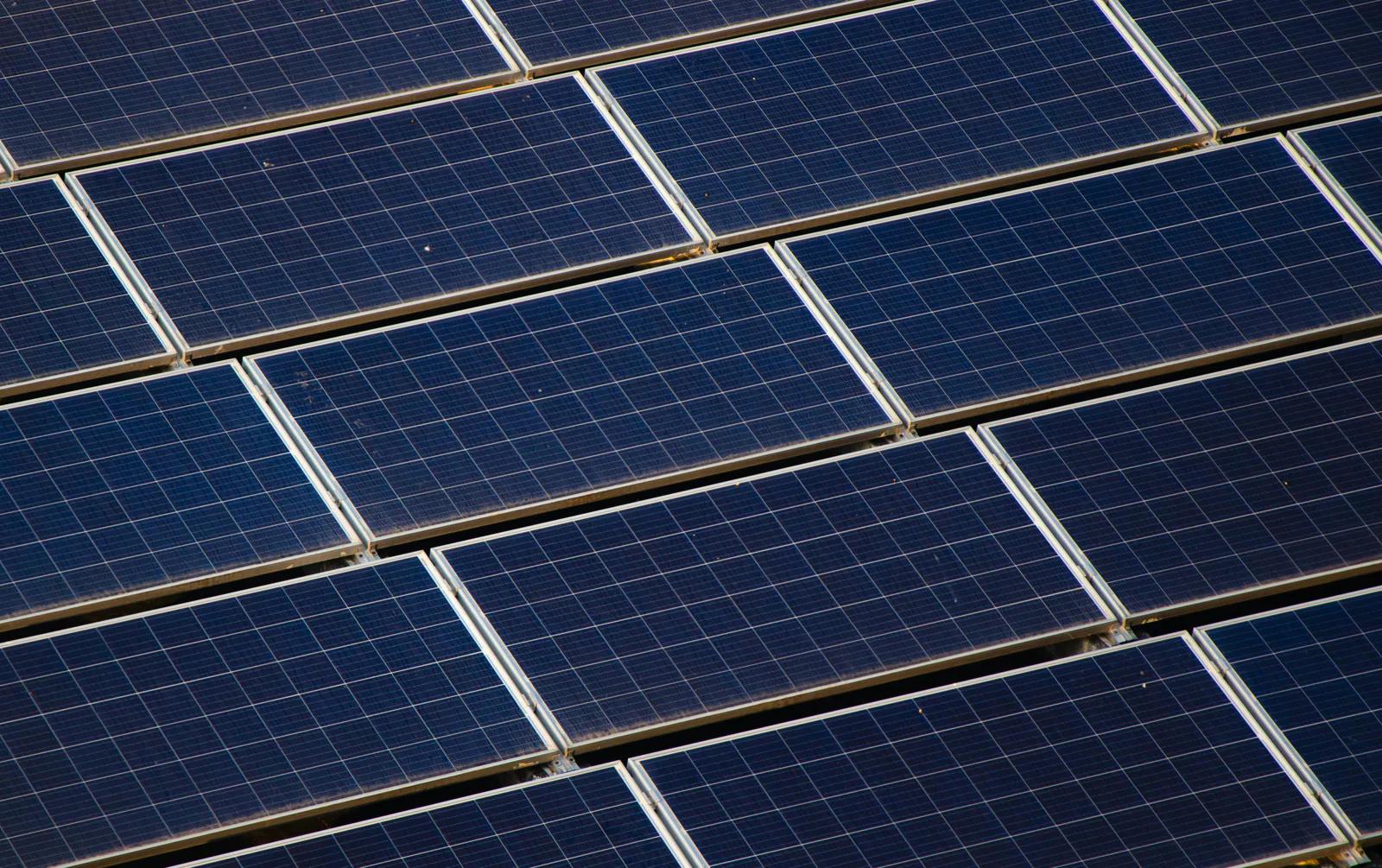
Panels generate electricity from light. Compare simulated output, installed cost, warranties and on-site consumption to choose a configuration suited to the roof.
Financial savings
Calculate avoided purchases and surplus income using your tariffs and hourly profile.
Eco-responsible
Protect the environment with renewable solar energy.
Valuation
Increase the attractiveness and value of your property on the market.
Swiss quality
Reliable, durable and high-performance technology designed to last.
Reference marks
Expertise beyond the product
Choosing the panel is just one step
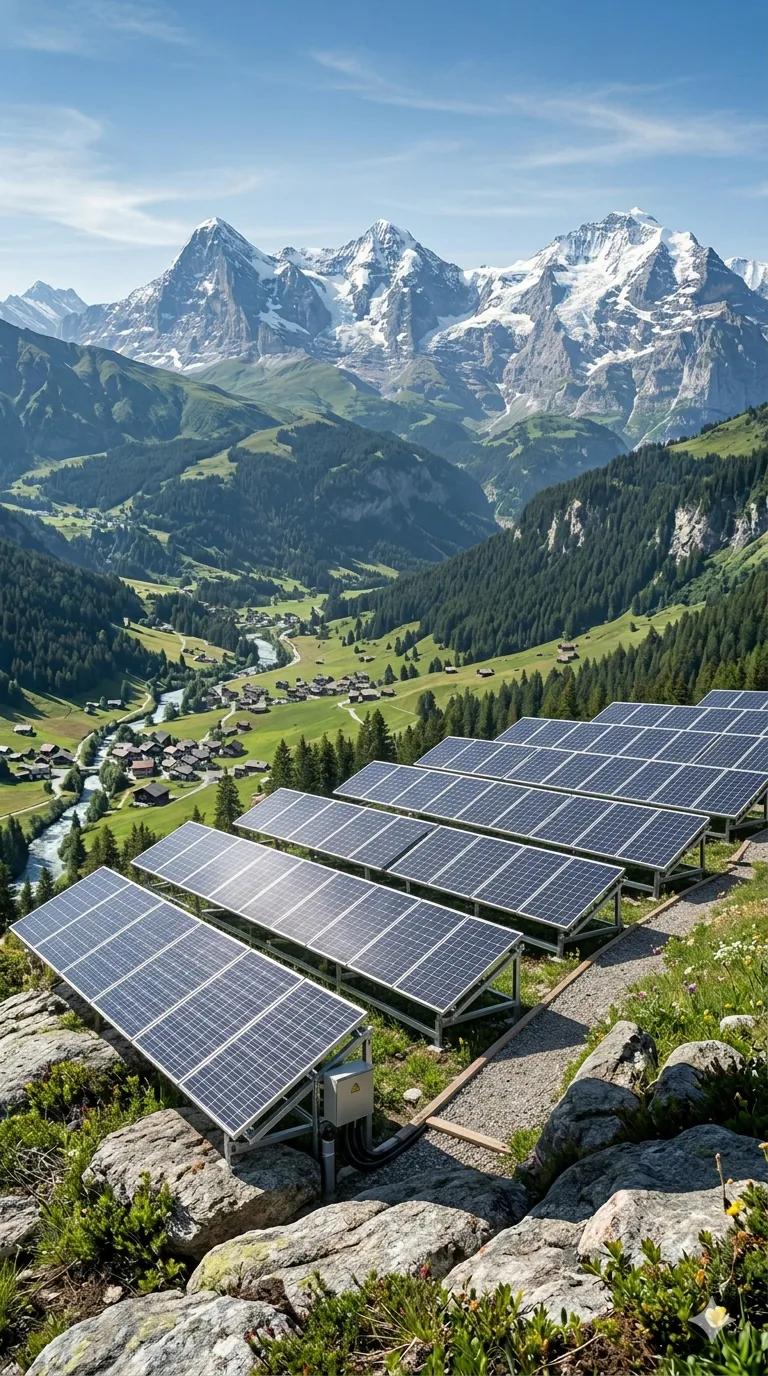
To guarantee the durability of your installation in the face of Swiss climatic conditions (snow, hail, strong thermal variations), each component plays a critical role.
1. The N-Type Cell: The New Standard
Compare exact models instead of inferring performance from the technology name alone:
- Diffuse light: compare simulated output for your roof and local conditions.
- Degradation: read the initial drop and annual limits in the exact model warranty.
- An optimized temperature coefficient: The panels maintain high production even during summer heatwaves.
2. The Brain of the System: The Inverter
It is the centerpiece that transforms the direct current from the panels into alternating current that can be used in your home. The technological choice depends on your roof:
- “String” type central inverter: The standard solution, ideal for unshaded roofs with a unique orientation.
- Microinverters or optimizers: compare these with a string inverter using multiple MPPTs. Simulate shading and orientations before choosing.
3. Fixing Systems
Architectural integration is a central issue for obtaining municipal permits.
- The superimposed system: The panels are fixed on rails above the tiles. This is the most economical option and the one that offers the best ventilation.
- The integrated system (Indach): The panel replaces the roof covering. A high-end option for complete renovations or new construction.
The True Profitability Calculation in Switzerland (2026)
Calculate payback from full cost and expected annual cash flows. Keep these three items separate:
- Pronovo: calculate the contribution with the official calculator and project details.
- Tax: confirm eligible expenses, grants to deduct and tax year; do not assume a fixed saving.
- Resumption Rates: The electricity reinjected into the network is purchased by your DNO at a rate which depends on your municipality.
The Era of Strategic Self-Consumption
Compare the value of electricity consumed on site with the export tariff. Include control equipment costs and losses; a fixed price for thirty years is not guaranteed.
- Intelligent control (Smart Home): Shift the operation of your energy-consuming devices during solar production peaks.
- Synergy with the Heat Pump: The perfect coupling to drastically reduce heating costs.
- Electric mobility: a compatible charger can adapt charging to surplus. V2H and V2G require additional equipment and approvals.
- Battery: simulate hourly benefits after losses and costs. A target self-consumption rate does not automatically make storage necessary.
Why Require Certified Installers?
Securing your project involves checking several administrative and technical criteria before signing a quote.
- Installation Authorization (ESTI): Essential for connecting your system to the network.
- Swissolar: check the current Solarprofi listing and distinguish it from ESTI electrical installation authorization.
- Procedures: the quote must identify who prepares, submits and follows each application and at what price.
- Transparency of Guarantees: Distinguish the “product” guarantee from the “performance” guarantee, and require liability insurance.