



1. Compare the same period and units
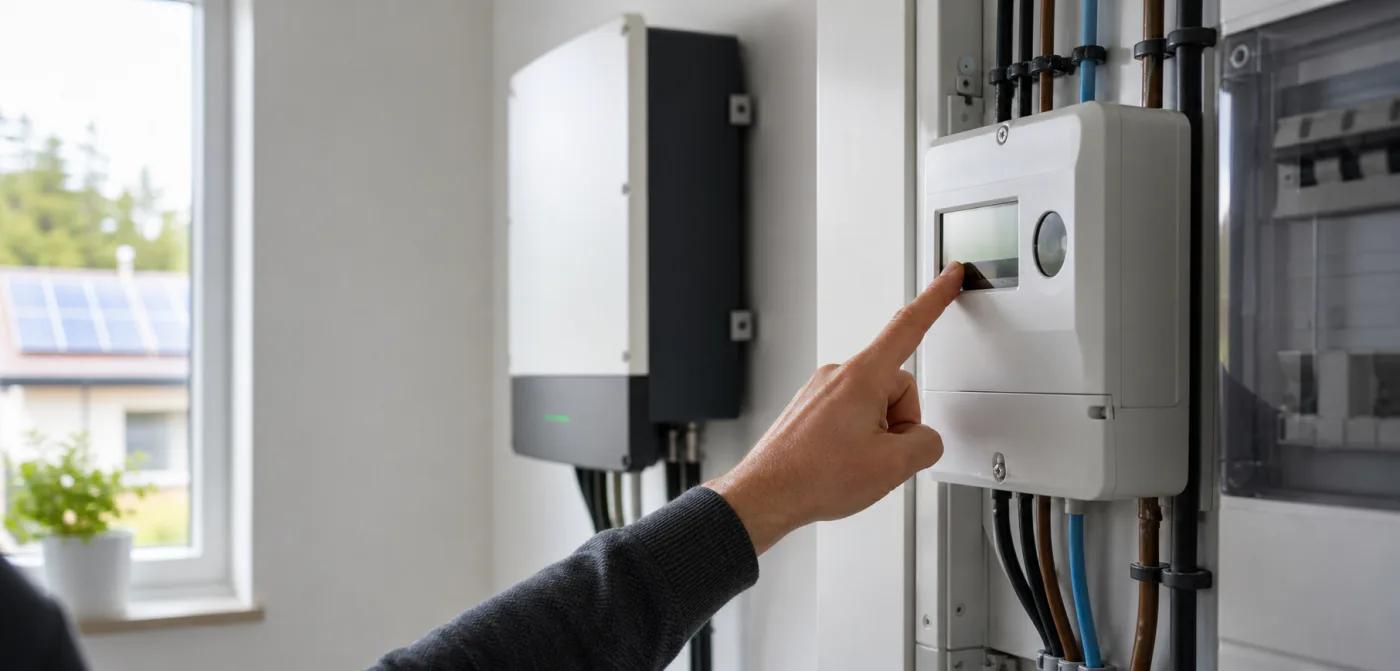
Gather the current bill, the bill for a comparable period and meter readings. Check dates, kWh, advance payments and any adjustment. Separate a higher price per kWh from increased consumption. Different winter conditions, a heat pump, EV charging or an estimated reading replaced by an actual reading can change the total.
2. Use national figures as benchmarks
For 2026, ElCom reports a median of 27.7 ct./kWh for the H4 profile of 4 500 kWh a year, down about 4% from 2025. This does not describe every municipality or contract. Check the published tariff for your address, consumption category and billing year before assuming your price follows the same trend.
3. Read energy, network, metering and levy charges
In 2026, metering costs are shown separately from network usage charges. A new line alone therefore does not establish an increase: compare combined network and metering costs across years. Also check energy tariffs, fixed charges, levies and other applicable surcharges. Ask the supplier for a written explanation of charges you cannot match to its tariff schedule.
4. Review energy use before choosing equipment
Identify major uses: heating, hot water, charging, older appliances and unnecessary operation. Have settings checked before replacing equipment. Shifting consumption can help with solar production or a suitable time-based tariff, but running an appliance at night is not always cheaper. Compare expected savings, the cost of the change and your household’s needs.
5. Calculate what solar actually saves
Separate solar generation, self-consumed electricity and exported surplus. The self-consumption rate is the share of generation used on site; it is not the share of your consumption covered by solar. Value self-consumed electricity at the cost actually avoided and exported electricity at the contracted feed-in tariff. Fixed charges that remain should not be counted as savings.
Calculation example with illustrative assumptions
Assume generation of 8 000 kWh/year and 35% self-consumption: 2 800 kWh are used on site and 5 200 kWh are exported. At an assumed avoided cost of CHF 0.25/kWh and feed-in tariff of CHF 0.08/kWh, this gives CHF 700 in avoided purchases and CHF 416 in annual revenue. The gross total of CHF 1 116 is before maintenance, any additional losses, financing and replacements. These assumptions are neither a local tariff nor a promised return.
6. Ask for evidence before signing
Ask for a monthly simulation, an itemised quote and current grid-connection and feed-in conditions. Compare the same consumption with and without a battery, including losses, subscriptions, usable capacity and replacement. Confirm financial support, its timetable and who handles the application. Keep the responses and compare a year of measurements with the original assumptions before buying an expansion.
References for planning your project
Decision framework
A verifiable decision, not an isolated estimate
Before comparing solutions, clarify the project assumptions, their sources and dates, and the responsibilities involved. Use your bill, roof plan and written responses to check that each quote covers the same needs.
Start with a measurable question
Start your solar decision with building data. Record the address, building type, relevant area, energy use and desired result. When assessing higher electricity bills and household budgeting, distinguish readings, written confirmations and assumptions. Compare gross and net amounts for the same scope; separate installed capacity from annual generation. Check grant conditions before deducting support from the budget. Prepare open questions for the installer, municipality, grid operator and insurer, identifying the record or measurement needed to answer each one.
Turn your bills into scenarios
Gather twelve months of bills if possible. Separate energy, network use, metering, taxes, levies and optional services. Include heating, hot water, EV charging and absences. An annual average can hide demand concentrated in mornings, evenings or winter. Compare conservative, central and favourable scenarios for a household that wants to distinguish between energy prices, network and charges. Keep units, scope and tariff dates consistent so that differences reflect the options being compared.
Check the roof and surroundings
Orientation, slope, chimneys, dormers, trees, antennas, snow, access, ventilation and neighbouring buildings affect solar generation. Ask for an aerial image, a dimensioned roof plan and a seasonal shading assessment. Have the roof covering, possible asbestos, structural capacity and cable routes assessed before committing to system capacity. A simulation for higher electricity bills and household budgeting should explain losses, show monthly generation and account for roof renovation or expansion before installation.
Compare quotes for the same scope
Three quotes are comparable only when they cover the same scope. Ask for the brand and exact model of each module, inverter, battery, protective device and mounting system. List scaffolding, distribution-board upgrades, grid connection, metering, applications, monitoring, maintenance, VAT and options separately. A lower price may exclude a service; a higher price may include a structural assessment or broader service terms. Identify who coordinates with the DSO and provides commissioning documents.
Check warranties and responsibilities
Product, performance and installation warranties, and insurance, cover different matters. Check duration, exclusions, beneficiary, claims procedure, response times and service arrangements if a manufacturer changes distributor. Keep invoices, serial numbers, photos, certificates, diagrams and handover records. The owner should retain access to the file documenting the bill items, ElCom tariffs, hourly consumption and solar simulation, even if the installer or project manager changes. Identify who addresses sizing errors, water ingress, communication faults or substantial differences between simulated and measured generation.
Compare the full cost
Include purchase, installation, applications, maintenance, remaining grid purchases, inverter replacement, possible roof work and surplus revenue. For a battery, consider usable capacity, losses, cycles, backup reserve, temperature, software and replacement. For a contract, check subscriptions, price changes, credit validity and exit terms. For a grant, consider eligibility and payment timing. Test whether the decision remains affordable if feed-in tariffs fall, consumption changes or the project is delayed.
Prepare for commissioning and handover
Before work starts, request a list of tests and documents to be provided. These may include insulation measurements, protective-device checks, grid settings, backup settings, connector checks, circuit labels, monitoring access and meter readings. An app displaying data does not replace a complete technical handover. Ask for safe shutdown instructions, a service contact and the circuit diagram. A dated handover record supports warranty claims and comparisons between expected and measured generation, bills and consumption.
Plan for future electricity use
A heat pump, water heater, EV, home working, extension, tenant change or renovation can alter a home’s electricity use. Include planned changes in the simulation. Check whether the inverter, distribution board, communications, available space and grid connection allow realistic expansion. An open system can be more useful than a larger system with limited compatibility. For a household that wants to distinguish between energy prices, network and charges, assess how to avoid a second costly installation when needs change.
Keep the evidence organised
Keep annotated bills, plans, simulations, compared quotes, grant conditions, official applications, before-and-after photos, certificates, warranties and generation records in one file. Date each item because tariffs and programmes change. An undated screenshot cannot establish a contractual condition. Record the amount stated, the condition that applied and the person responsible. These records support budget checks, a future sale and discussions with the DSO, insurer or authorities.
Check the quote before signing
Before signing, check the description, address, owner, capacity, models, generation estimate, exclusions, prices, VAT, grants, schedule, handover, warranties and termination. Gather the relevant records: the bill items, ElCom tariffs, hourly consumption and solar simulation. Request written answers to unclear points and identify who will resolve them. Keep the final quote, data sheets and contract terms together. A promised saving or equipment brand cannot replace the scope of work, calculation assumptions and service arrangements.
Separate energy prices, network charges and levies
A higher bill can have several causes. Separate energy prices, network usage, metering, reserve charges, taxes, levies and VAT, and record the billing period and meter readings. Compare the supplier’s dated tariff schedule with the bill and identify estimates, corrections or category changes. A national average does not replace your local tariff. Keep monthly data alongside temperature, absences, heating, hot water and new appliances. This helps distinguish a price increase from higher consumption and avoids drawing conclusions from one unusual bill.
Build realistic protection
Solar mainly reduces electricity purchases during generation hours; it does not automatically remove network charges, metering costs, taxes or winter consumption. Compare scenarios without a battery, with a battery, and with flexible hot-water, laundry, EV-charging or heat-pump use. Include investment, maintenance, losses, replacement, feed-in tariffs and self-consumption. A bill estimate should state the year, weather, orientation, shading, system capacity, electricity prices and treatment of surplus generation. Allow for uncertainty if roof renovation or grid connection is still unresolved.
Act with evidence
Ask the DSO for a dated tariff schedule, the dispute procedure, meter-reading dates and an explanation of unfamiliar charges. Ask installers for an itemised quote, a monthly simulation, a degradation assumption and clear commissioning responsibilities. Keep correspondence, meter readings, photos, reports and decisions in date order. After installation, measure purchases, exports and generation over several seasons before assessing performance. This turns a general budget concern into questions the supplier, electrician, insurer and authorities can answer.
Compare after twelve months
A year of readings lets you compare estimated bills, actual readings, purchases, exports, generation, weather, heating, charging and occupancy. Record the likely cause of each difference: a tariff change, shifted consumption, measurement fault, shading, settings, building work or unusual weather. Distinguish bill savings from the total value of generated electricity. A table separating avoided purchases, export revenue, fixed charges, maintenance and financing shows the financial result. If performance disappoints, review assumptions and measurements before buying additional equipment.
Don't forget about contract changes
A higher bill may coincide with a switch from a fixed-price to an indexed product, changed connection capacity, a new meter, corrected readings, an expired discount or an added service. Ask for the contract history and effective date, then compare old and new prices using the same consumption. For solar, also check the feed-in contract, settlement frequency, guarantees of origin and metering charges. Do not buy a battery or control system to compensate for a billing error. Record assumptions, request the supplier’s response time and keep the outcome. Update this record when occupancy, heating or vehicle use changes.
Use this section with your invoice, roof plan and quotes. The final decision must remain linked to the official conditions, the actual connection and the written contract.