
Photovoltaics can reduce grid imports, but cannot turn inefficient resistance heating into an economical heating system. Check the site data and official sources before signing.
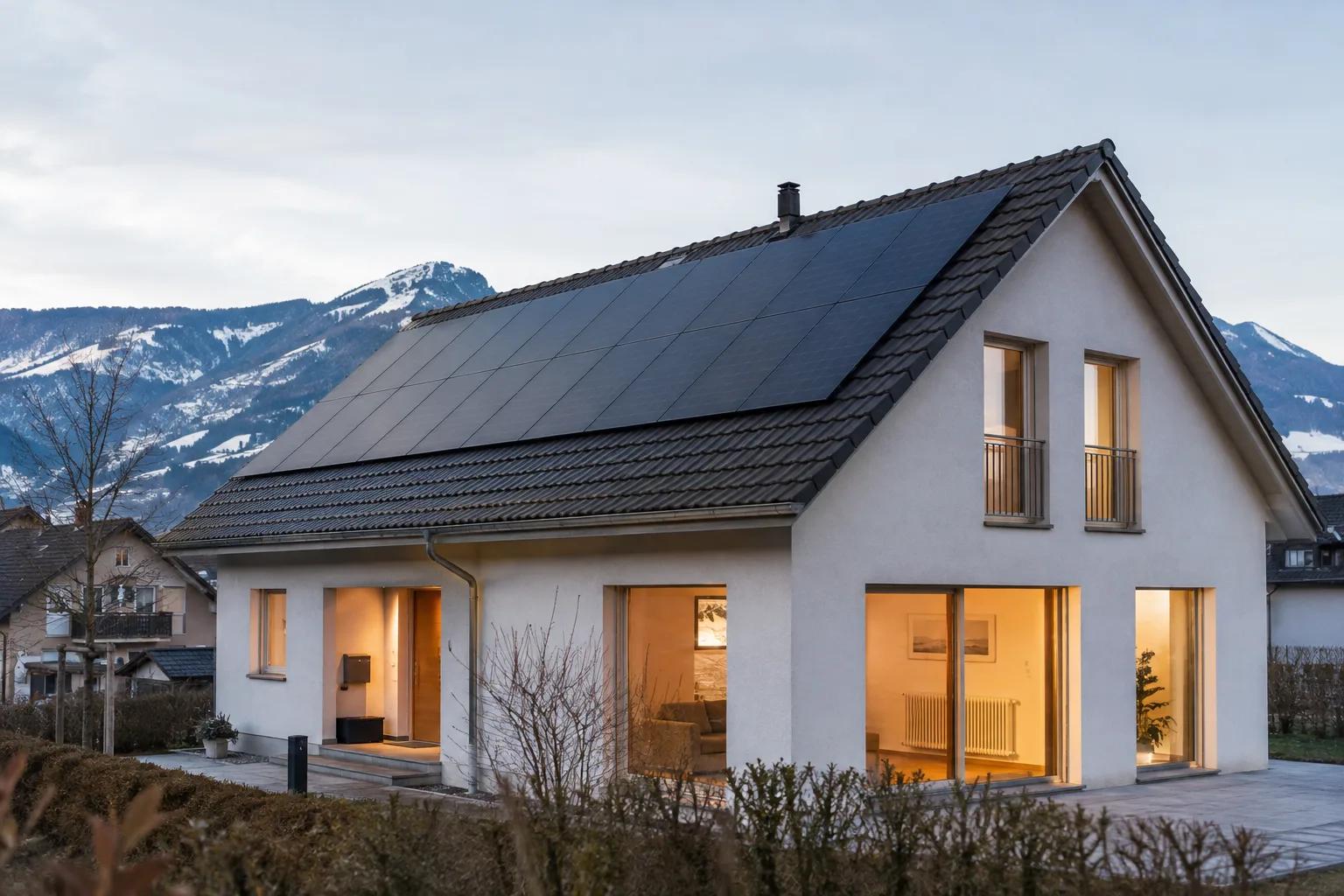

Decision to make
Photovoltaics can reduce grid imports, but cannot turn inefficient resistance heating into an economical heating system. Adapt this decision to the building, your actual consumption and the project schedule.
For this project, start by identifying the grid operator, applicable tariff and site constraints. The quotation must specify the conditions affecting connection, metering or the value of surplus electricity.
Practical effects of the project
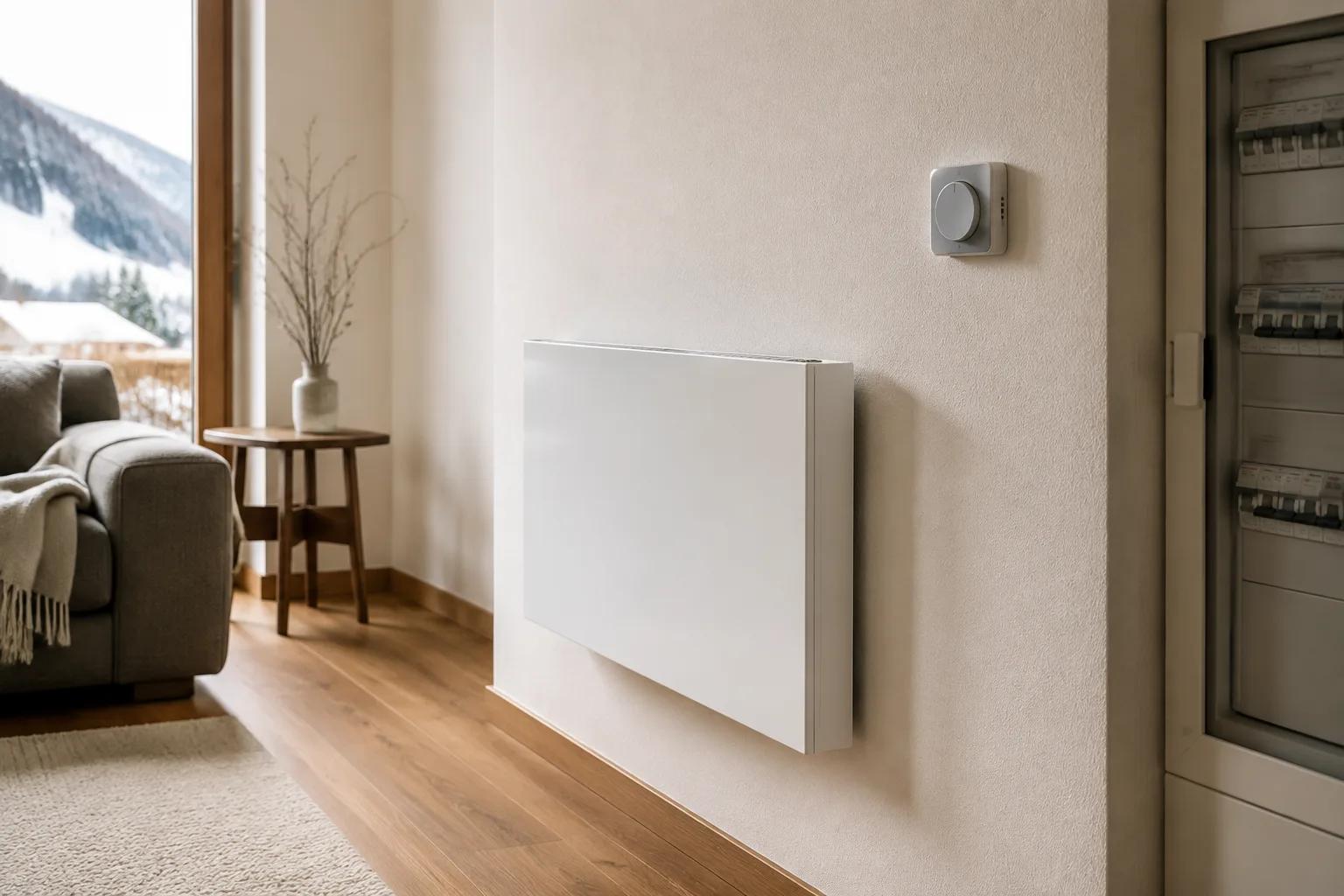
- A direct electrical resistance transforms electricity into heat without creating an efficiency gain comparable to that of a heat pump; the panels do not change this principle.
- Photovoltaic production is seasonal: high annual production does not guarantee sufficient coverage of heating needs during the cold months.
- A heat pump, insulation, airtightness, regulation and thermal storage can modify the electrical requirement; they must be compared separately.
- A water heater or controllable thermal load can sometimes use surplus solar, but the system should avoid starting high power with imported electricity.
- The cantonal rules on the replacement or installation of electric heating must be checked depending on the building; the PV is not a general exemption.
These points help assess the topic ‘ Direct electric and photovoltaic heating: what real savings in winter? ’ without turning a national average into a local promise. Every decisive figure needs its source, date and scope.
Specific controls
- Record type of heating, power, operating hours, temperature, hot water and consumption per month before sizing the PV.
- Compare a PV scenario alone with renovation, heat pump or regulation; have the cantonal rules and necessary authorizations confirmed.
- Request a monthly simulation which superimposes solar production, heat need, self-consumption and winter import.
- Have the boiler or thermal load control, power limits and commissioning responsibility specified.
- Demand adjustments, tests, warranties and consumption measurements after commissioning, not just an annual estimate.
The answers should appear in the quote or in a dated appendix. A verbal explanation is insufficient if it changes the price, expected output, financial support or a contractual obligation.
Compare quotes
- Tariffs: state the purchase price, surplus remuneration and fixed charges applicable to the site, with their source and date.
- Production: provide a monthly estimate with orientation, shading, losses and weather assumptions.
- Investment: separate material, installation, safety, scaffolding, connection, procedures and options.
- Aids: distinguish confirmed amount, estimate and deposit liability.
- Contract: specify guarantees, calendar, deposit, exclusions, maintenance and after-sales service.
Photovoltaics can reduce grid imports, but cannot turn inefficient resistance heating into an economical heating system. In the comparison table, keep one column for the stated value, one for the evidence provided, and one for the effect of a less favorable hypothesis.
Cautious scenario
Test the project with slightly lower production, an unconfirmed grant and less favourable surplus remuneration. This scenario shows whether the decision remains sound based on self-consumption, roof quality and a controlled installed cost.
The main references used are SwissEnergy/SFOE - heating and photovoltaic electricity, SFOE - support for photovoltaic installations, ElCom - Slight drop in electricity prices in 2026, Swissolar - Swiss Solar Monitor. They frame the method, but the local amounts and contractual conditions must be rechecked at the time the offer is signed.
Risks to be managed
The cantonal rules on the replacement or installation of electric heating must be checked depending on the building; the PV is not a general exemption. Ask who assumes this risk, what proof will be provided and how a change is handled after ordering.
A more expensive solution should meet a specific need in your project. Ask for a documented benefit and a separate price for each option.
Next step
Gather the address, annual consumption, future electricity uses and building documents. Then check the grid operator's conditions, available grants and site constraints; request quotations covering the same scope.
Photovoltaics can reduce grid imports, but cannot turn inefficient resistance heating into an economical heating system. You can then decide with a documented net price, clear responsibilities and assumptions that each company can explain line by line.
Do not confuse production and efficiency
A photovoltaic panel produces electricity; an electrical resistance transforms it directly into heat. Producing some of this electricity on the roof can reduce the purchase from the grid, but does not change the physical efficiency of the heating. The gain must therefore be calculated on the kWh actually produced and consumed at the time the heating is operating, not on the entire annual production.
This distinction is important for homes that use electric radiators, resistive floor heating, or electric water heaters. The problem may be power demand, operating time, insulation or regulation. A PV installation must not be used to avoid an analysis of the building and the heating system.
Do one simulation per month
Ask for a curve of heat requirement and solar production month by month. In winter, the days are shorter, the sky can be overcast and heating is often requested in the morning and evening, when the panels produce little. The result is a mix of direct production, summer surplus and imported electricity; an annual average hides this seasonality.
Add your actual uses: set temperature, absence, hot water, possible day/night rate, teleworking and other devices. An owner who moves part of the hot water in the middle of the day does not have the same profile as an empty home. Also note power peaks, as they can influence the connection and sizing of the control.
Compare a heat pump and regulation
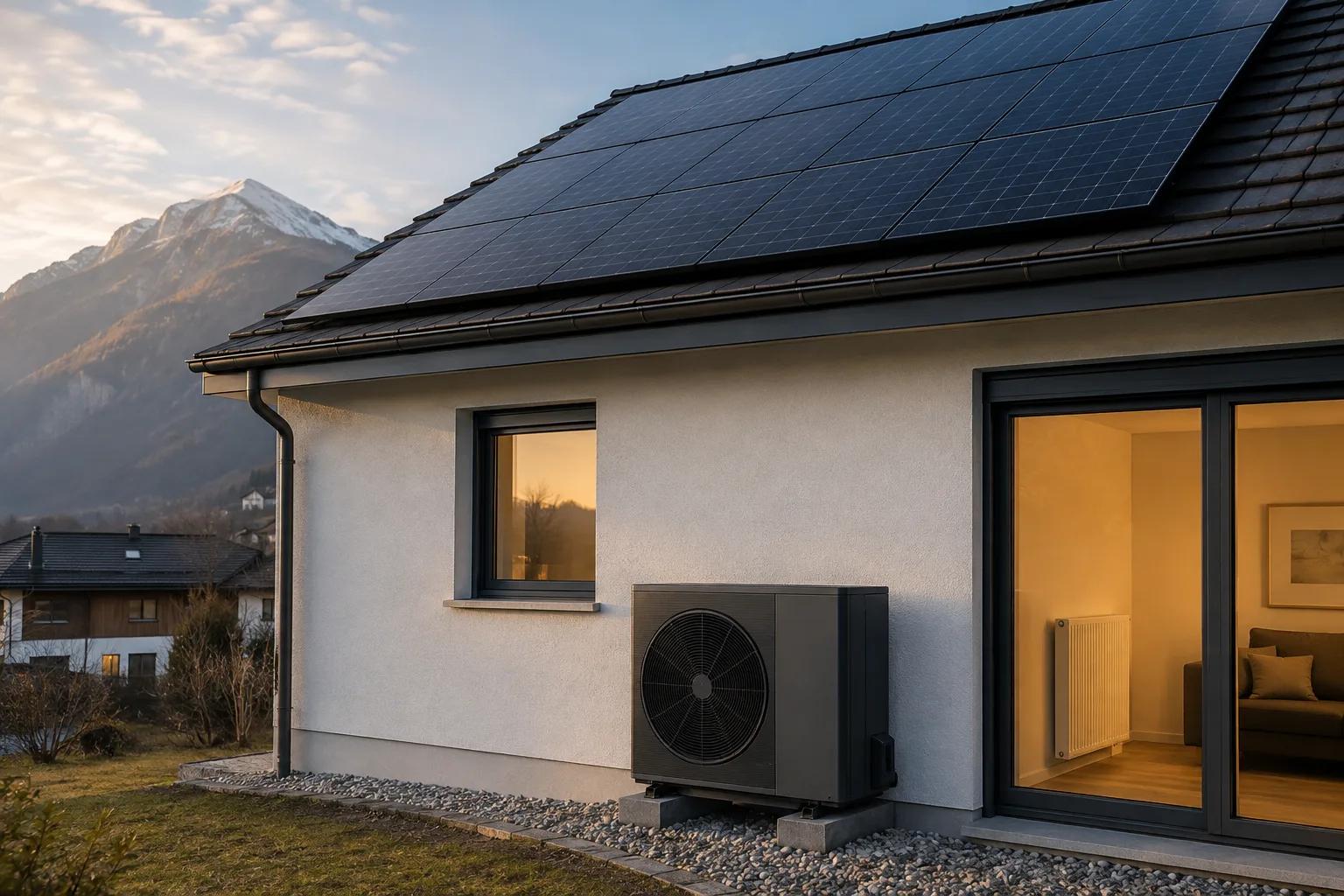
The heat pump deserves a separate variant because it uses electricity to move heat from the environment, with different installation and maintenance requirements. This does not mean that it is suitable for every building: transmitters, insulation, noise, outdoor space, permission and cost must be studied. The comparison must put the same comfort level and temperatures face to face.
Regulation and the envelope can be simpler or preliminary steps: targeted insulation, sealing, thermostat, programming, balancing and reduction of losses. A good offer explains what the panels fix and what they don't fix. If the solar installation is being sold as a sole response to a building that uses too much heat, request an independent study.
Use the surplus without creating a new problem
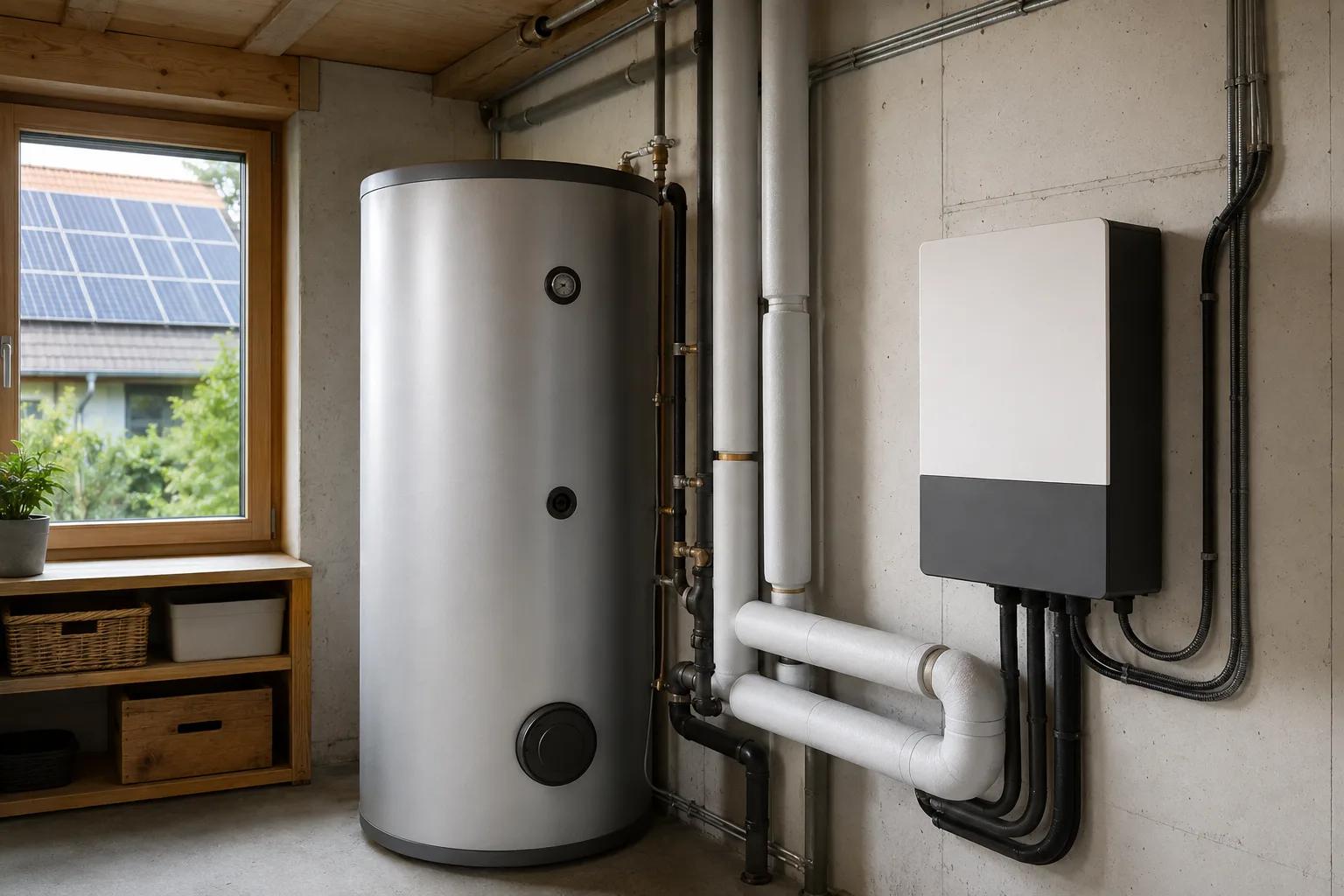
A boiler or thermal storage can sometimes absorb part of the surplus. The control must check available generation, temperature, power limits and network rules. A high-power device that starts on-off may import electricity instead of using the expected surplus. Ask how the system modulates, measures and behaves when clouds arrive.
Do not count an injection saving and a self-consumption saving for the same kWh. The calculation must say whether the energy directly heats the house, heats the water, charges a battery, is injected or is purchased from the network. This transparency is essential to avoid overestimating the economics of direct heating coupled with panels.
Choose a realistic sequence
Before signing, have a sequence established: condition of the building, cantonal rules, existing heating, heat pump or regulation option, PV power, control, then measurement after commissioning. It may be rational to treat the heating first, then install a suitable solar installation and add a control when the data is available.
Solar energy can provide heat during some hours, but the decision depends on whether the chosen combination reduces long-term bills and heat demand. Test a cautious winter scenario and agree on a measurement plan before committing.
Points to check
- Tariffs: Compare the tariff for your address with the Swiss ElCom median for 2026, keeping local prices separate from the national benchmark.
- Grants: Check the programme, eligibility, documents and deadlines with Pronovo, the canton or municipality. Include only confirmed contributions in your budget.
- Roof potential: Sonnendach is presented as a public pre-diagnosis, to be validated by a technical visit.
- ROI: the method separates self-consumption, injection, installed price, taxation and payment schedule.
- A direct electrical resistance transforms electricity into heat without creating an efficiency gain comparable to that of a heat pump; the panels do not change this principle.
- Photovoltaic production is seasonal: high annual production does not guarantee sufficient coverage of heating needs during the cold months.