
Suitable fixings protect the roof covering, withstand local loads and allow waterproofing to be checked throughout the roof’s life. Check the site data and official sources before signing.
Decision to make
Suitable fixings protect the roof covering, withstand local loads and allow waterproofing to be checked throughout the roof’s life. Adapt this decision to the building, your actual consumption and the project schedule.
For this project, start by identifying the grid operator, applicable tariff and site constraints. The quotation must specify the conditions affecting connection, metering or the value of surplus electricity.
Practical effects of the project
- Slate, sheet metal and tiles do not transmit forces in the same way: a fixing chosen for another roof does not become universal by simple adaptation.
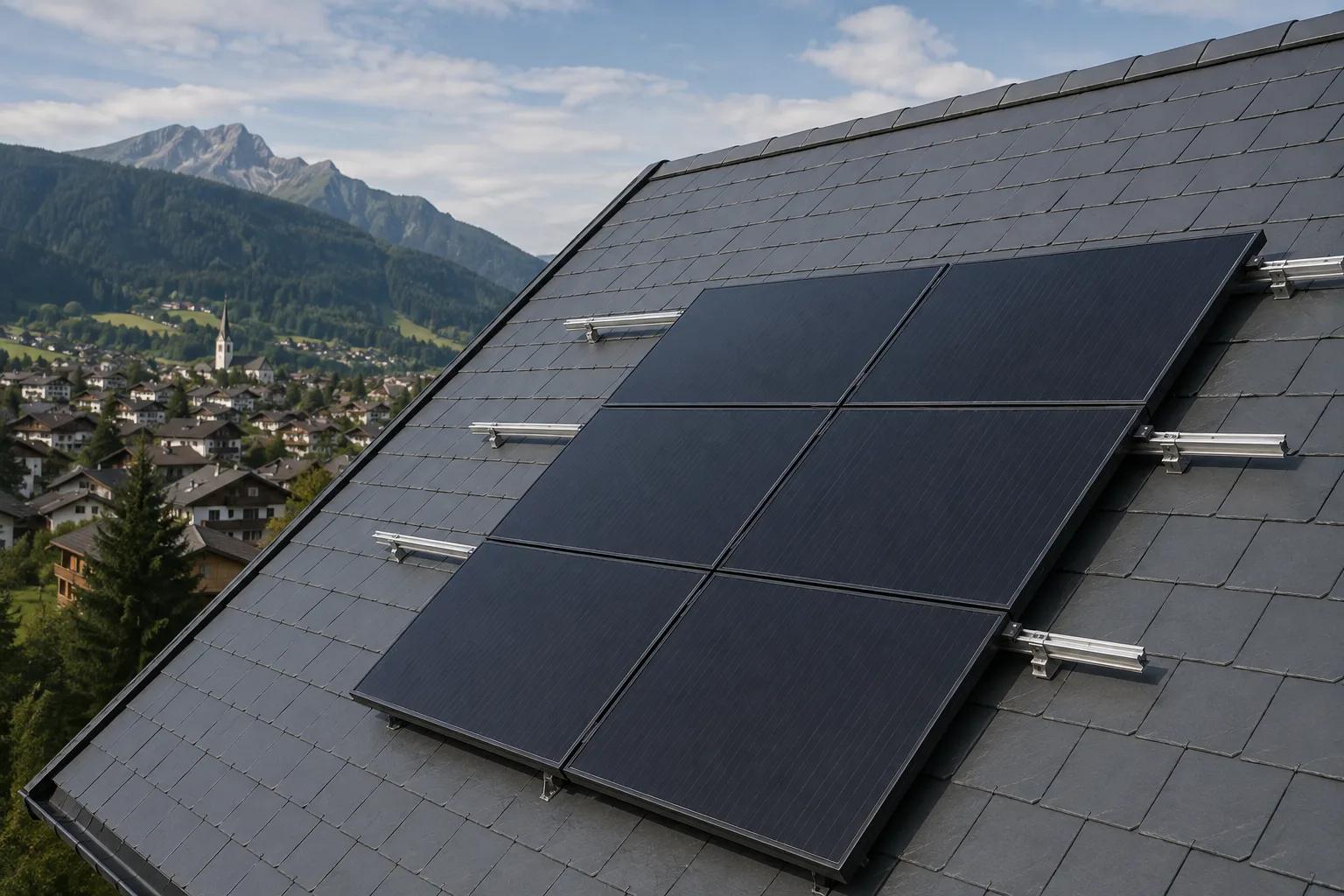
- On a slate roof, the fragility of the elements and their replacement must be taken into account before installing hooks, rails or cable passages.
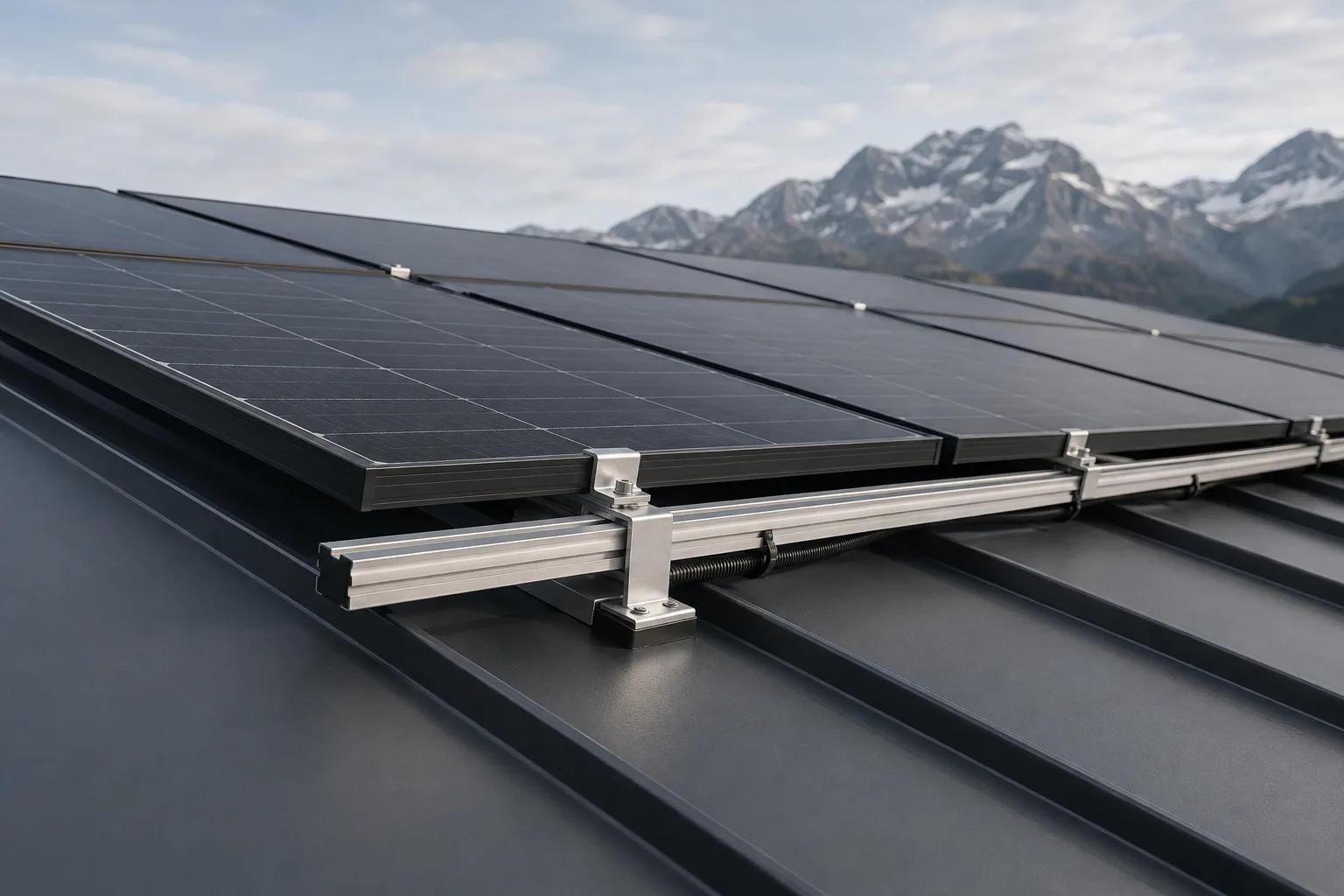
- On the sheet metal, profile, joints, thickness, corrosion and coverage guarantee determine whether a clamp, joint fixing or other solution is admissible.
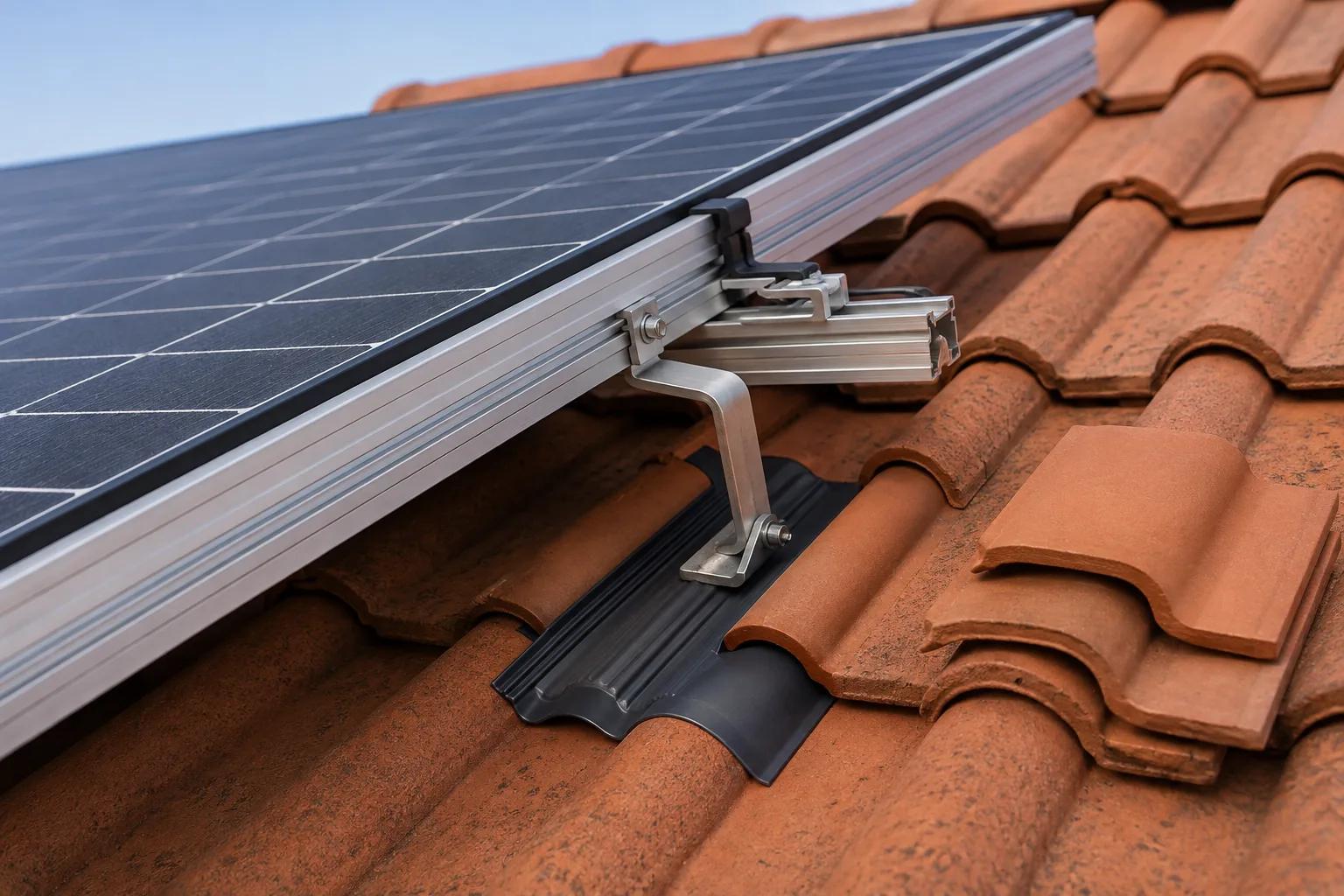
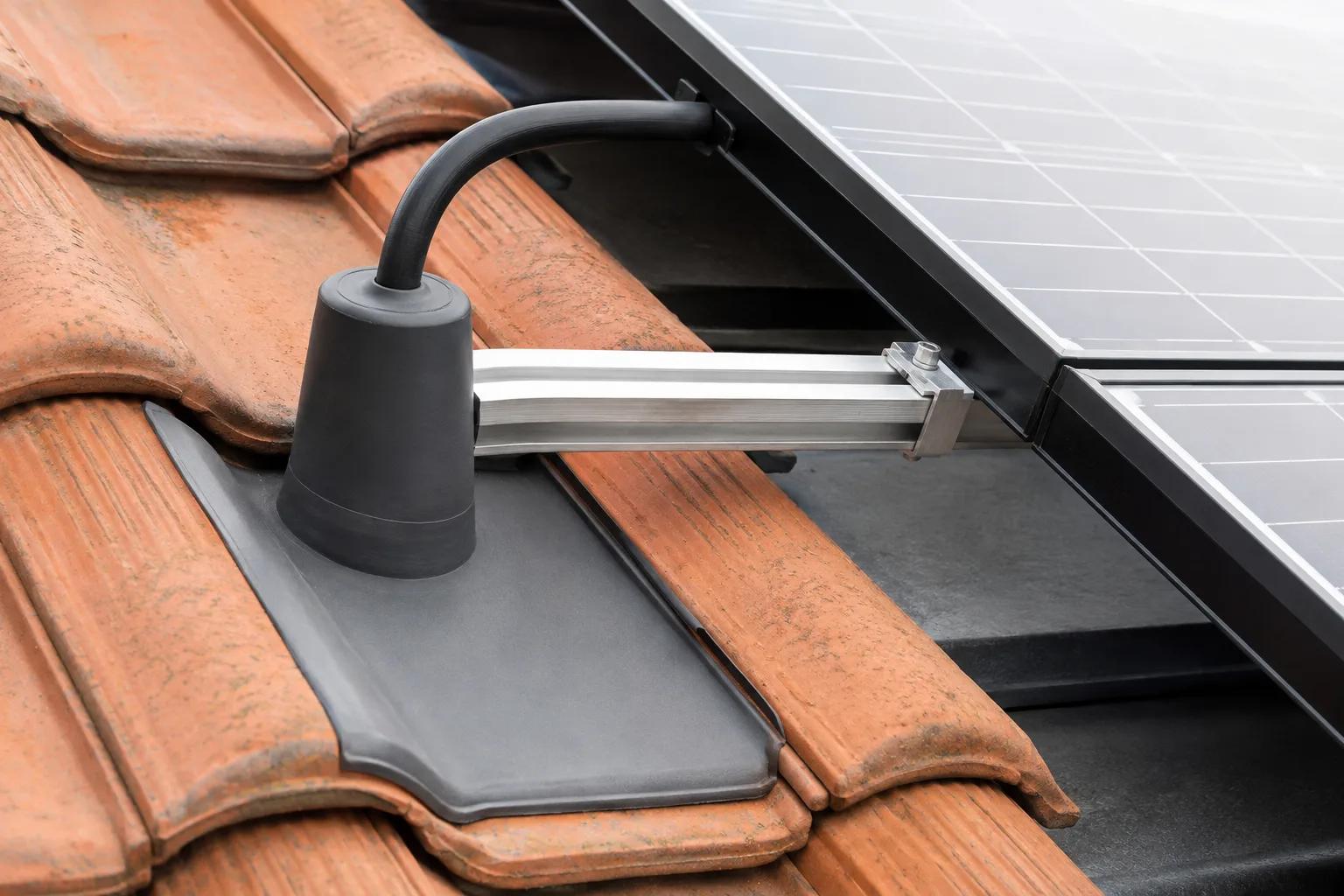
- On tiles, the hook must leave the cover in place, drain water and allow replacement of a tile without undue stress on the module.
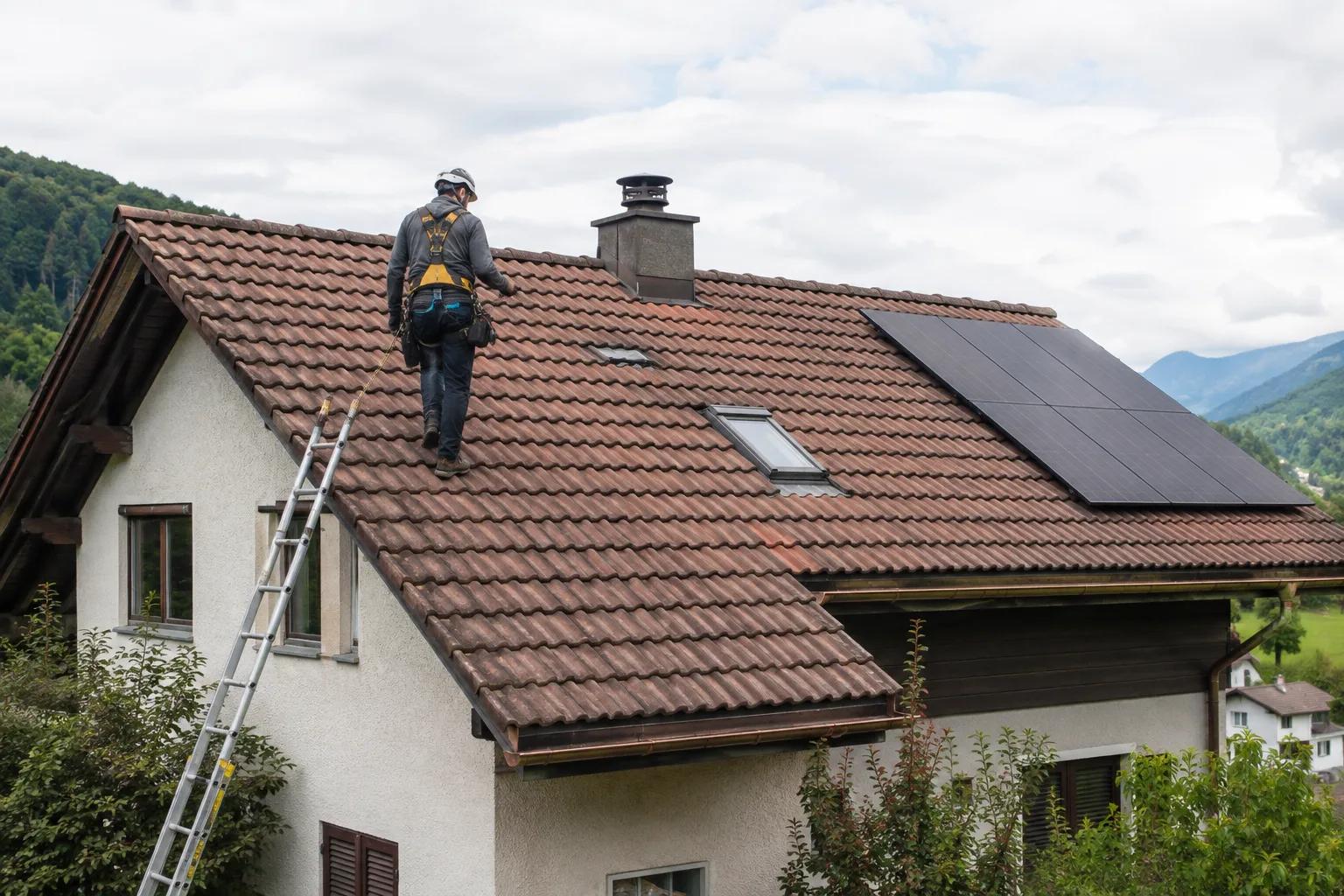
- The age of the roof, its structure, snow, wind, access and remaining lifespan may warrant a repair before solar, even if the roof still appears usable.
These points help assess the topic ‘ Slate, sheet metal or tile roof: which solar fixings to choose? ’ without turning a national average into a local promise. Every decisive figure needs its source, date and scope.
Specific controls
- Ask for a roof-specific fixing detail and compatibility confirmation from the manufacturer, not a photo from a different job site.
- Have the roof's condition, infiltration, structure and remaining lifespan inspected by the person responsible for the roofing.
- Require details of flashings, penetrations, joints, cables and watertightness checks after installation.
- Have the snow and wind loads calculated as well as the maintenance path for each roof section.
- Enter in the contract who provides the spare tiles or slates and who covers a leak or breakage after installation.
The answers should appear in the quote or in a dated appendix. A verbal explanation is insufficient if it changes the price, expected output, financial support or a contractual obligation.
Compare quotes
- Tariffs: state the purchase price, surplus remuneration and fixed charges applicable to the site, with their source and date.
- Production: provide a monthly estimate with orientation, shading, losses and weather assumptions.
- Investment: separate material, installation, safety, scaffolding, connection, procedures and options.
- Aids: distinguish confirmed amount, estimate and deposit liability.
- Contract: specify guarantees, calendar, deposit, exclusions, maintenance and after-sales service.
Suitable fixings protect the roof covering, withstand local loads and allow waterproofing to be checked throughout the roof’s life. In the comparison table, keep one column for the stated value, one for the evidence provided, and one for the effect of a less favorable hypothesis.
Cautious scenario
Test the project with slightly lower production, an unconfirmed grant and less favourable surplus remuneration. This scenario shows whether the decision remains sound based on self-consumption, roof quality and a controlled installed cost.
The main references used are Swissolar - planning and installing solar systems, Confederation - Sonnendach / solar potential of roofs, SFOE - permits and low-voltage installations, SFOE - support for photovoltaic installations. They frame the method, but the local amounts and contractual conditions must be rechecked at the time the offer is signed.
Risks to be managed
The age of the roof, its structure, snow, wind, access and remaining lifespan may warrant a repair before solar, even if the roof still appears usable. Ask who assumes this risk, what proof will be provided and how a change is handled after ordering.
A more expensive solution should meet a specific need in your project. Ask for a documented benefit and a separate price for each option.
Next step
Gather the address, annual consumption, future electricity uses and building documents. Then check the grid operator's conditions, available grants and site constraints; request quotations covering the same scope.
Suitable fixings protect the roof covering, withstand local loads and allow waterproofing to be checked throughout the roof’s life. You can then decide with a documented net price, clear responsibilities and assumptions that each company can explain line by line.
Start from actual coverage
A slate, sheet metal or tile roof cannot be visited in the same way and does not have the same rail system. Have the exact type of roofing, its age, repairs already made, weak areas and the underlying structure identified. Solar potential indicates where the modules could go; it does not say whether the coverage can accommodate them for twenty years.
Request that the person responsible for the building envelope be involved before ordering. An offer that only shows the modules and the inverter does not make it clear who protects the waterproofing, who replaces a broken element and how a future inspection will be carried out.
Slate: precision and material reserve
Slate can crack when it is poorly supported or stressed in the wrong place. The installation detail must therefore show the hooks, rails, supports and cable routing without relying on an improvised adaptation. Provide compatible spare elements and ask who provides them if a slate needs to be replaced during construction or several years later.
The cost of installing on slate often includes more than the visible fixing: secure access, intervention by a roofer, sorting of fragile elements and inspection after assembly. Compare this cost with the renovation of a roof near the end of its life. Installing modules on a roof to be redone can create a double intervention and an expense that the first estimate does not show.
Sheet metal: profile, corrosion and sealing
On a metal roof, the question is not simply whether you can tighten a clamp. It is necessary to identify the profile, joints or ribs, thickness, state of corrosion and compatibility of the system with the roofing. A fastener that deforms the sheet metal, blocks expansion or is not approved for the profile can degrade the lifespan of the roof.
Have the fixing points and passages marked in the plan. If drilling is planned, ask for details of joints, flashing and waterproofing checks. If a solution without drilling is proposed, check its loads, its wind limits and the way in which it remains inspectable. In both cases, the roof guarantee must have an identifiable responsible person.
Tiles: water and replacement
With tiles, the hook must transmit the force to the structure while letting the water follow its path. A modified, overloaded or poorly repositioned tile can become a weak point. The plan should show the roofing elements around the hooks, rails, distances and access to replace a tile without dismantling an entire row of modules.
The tiles available in ten years will not necessarily be identical to those on site. So keep the reference, some parts and the replacement method in the delivery file. A savings made by removing reserves or controls may cost more on the first infiltration incident.
Quote and reception
Compare three offers on the same coverage and request a breakdown: inspection, structure, hooks or clamps, rails, cables, waterproofing, safety, scaffolding, modules and final inspection. Warranties must separate product, performance, assembly, coverage and intervention. The homeowner needs to know if a leak is being handled by the roofer, solar installer or another company.
At reception, photograph the details before closing the accesses and collect the final plan. The right fixing is not the one that appears the most discreet in a photo: it is the one that remains compatible with the loads, water, maintenance and warranty of the roof. If these points are documented, the type of coverage becomes a controllable parameter rather than a site surprise.
Points to check
- Tariffs: Compare the tariff for your address with the Swiss ElCom median for 2026, keeping local prices separate from the national benchmark.
- Grants: Check the programme, eligibility, documents and deadlines with Pronovo, the canton or municipality. Include only confirmed contributions in your budget.
- Roof potential: Sonnendach is presented as a public pre-diagnosis, to be validated by a technical visit.
- ROI: the method separates self-consumption, injection, installed price, taxation and payment schedule.
- Slate, sheet metal and tiles do not transmit forces in the same way: a fixing chosen for another roof does not become universal by simple adaptation.
- On a slate roof, the fragility of the elements and their replacement must be taken into account before installing hooks, rails or cable passages.