
Glare is prevented by orientation, surface, choice of modules and a proportionate analysis before work. Check the site data and official sources before signing.
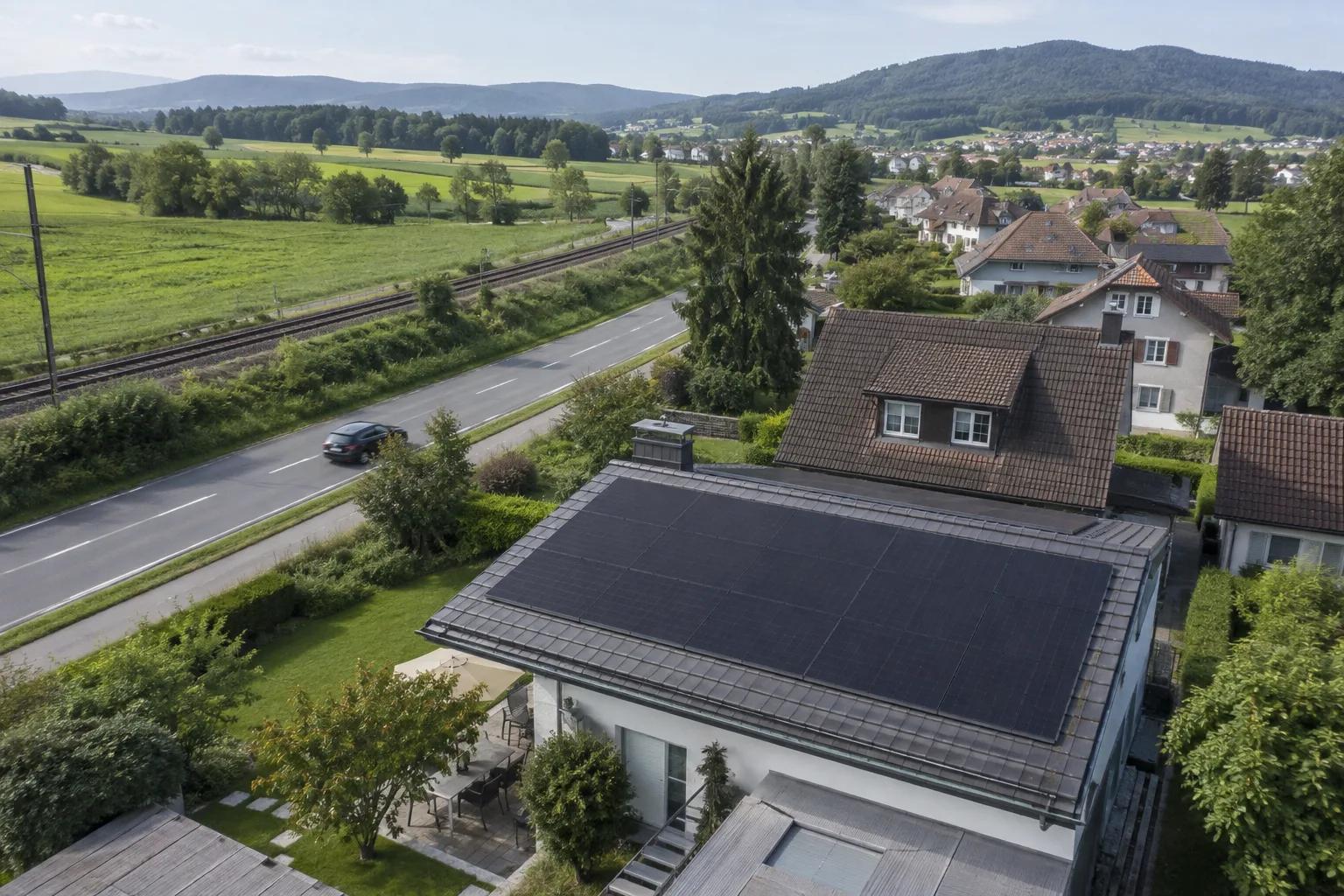
Decision to make
Glare is prevented by orientation, surface, choice of modules and a proportionate analysis before work. Adapt this decision to the building, your actual consumption and the project schedule.
For this project, start by identifying the grid operator, applicable tariff and site constraints. The quotation must specify the conditions affecting connection, metering or the value of surplus electricity.
Practical effects of the project
- The reflection depends on the glazed surface, the angle of the sun, the slope, the orientation, the season and the position of the observer: the presence of modules is not enough to conclude.
- The BAFU treats reflections from artificial surfaces as a matter of emissions to be preventively limited; there is no simple national figure which exempts us from examining the case.
- Windows, balconies, terraces, roads, railways and areas close to an aerodrome do not have the same sensitivity and should not be grouped into a single hypothesis.
- Anti-reflective glass can reduce intensity in one direction, but a technical solution must be tested with the actual orientation and duration of the event.
- A change in layout, slope or surface is generally easier before ordering than after a complaint or neighbor conflict.
These points help assess the topic ‘ Reflections from solar panels: preventing glare and neighborhood problems in Switzerland ’ without turning a national average into a local promise. Every decisive figure needs its source, date and scope.
Specific controls
- Map the actually occupied observation points and distinguish windows, places of stay, traffic routes and sensitive spaces.
- Request an initial seasonal study per hour; use a Blendtool type tool or a more complete simulation if the site warrants it.
- Include in the offer the type of glass, slope, orientation, surfaces and planned reduction measures.
- Check the municipal procedure and any constraints regarding landscape, protection or proximity to an aerodrome.
- Keep photos, plans, hypotheses, discussions with neighbors and the authority's decision: the file must explain why the solution was chosen.
The answers should appear in the quote or in a dated appendix. A verbal explanation is insufficient if it changes the price, expected output, financial support or a contractual obligation.
Compare quotes
- Tariffs: state the purchase price, surplus remuneration and fixed charges applicable to the site, with their source and date.
- Production: provide a monthly estimate with orientation, shading, losses and weather assumptions.
- Investment: separate material, installation, safety, scaffolding, connection, procedures and options.
- Aids: distinguish confirmed amount, estimate and deposit liability.
- Contract: specify guarantees, calendar, deposit, exclusions, maintenance and after-sales service.
Glare is prevented by orientation, surface, choice of modules and a proportionate analysis before work. In the comparison table, keep one column for the stated value, one for the evidence provided, and one for the effect of a less favorable hypothesis.
Cautious scenario
Test the project with slightly lower production, an unconfirmed grant and less favourable surplus remuneration. This scenario shows whether the decision remains sound based on self-consumption, roof quality and a controlled installed cost.
The main references used are FOEN - unwanted reflections of sunlight, Swissolar - planning and installing solar systems, Confederation - Sonnendach / solar potential of roofs, SFOE - permits and low-voltage installations. They frame the method, but the local amounts and contractual conditions must be rechecked at the time the offer is signed.
Risks to be managed
A change in layout, slope or surface is generally easier before ordering than after a complaint or neighbor conflict. Ask who assumes this risk, what proof will be provided and how a change is handled after ordering.
A more expensive solution should meet a specific need in your project. Ask for a documented benefit and a separate price for each option.
Next step
Gather the address, annual consumption, future electricity uses and building documents. Then check the grid operator's conditions, available grants and site constraints; request quotations covering the same scope.
Glare is prevented by orientation, surface, choice of modules and a proportionate analysis before work. You can then decide with a documented net price, clear responsibilities and assumptions that each company can explain line by line.
Mapping the sun and observers
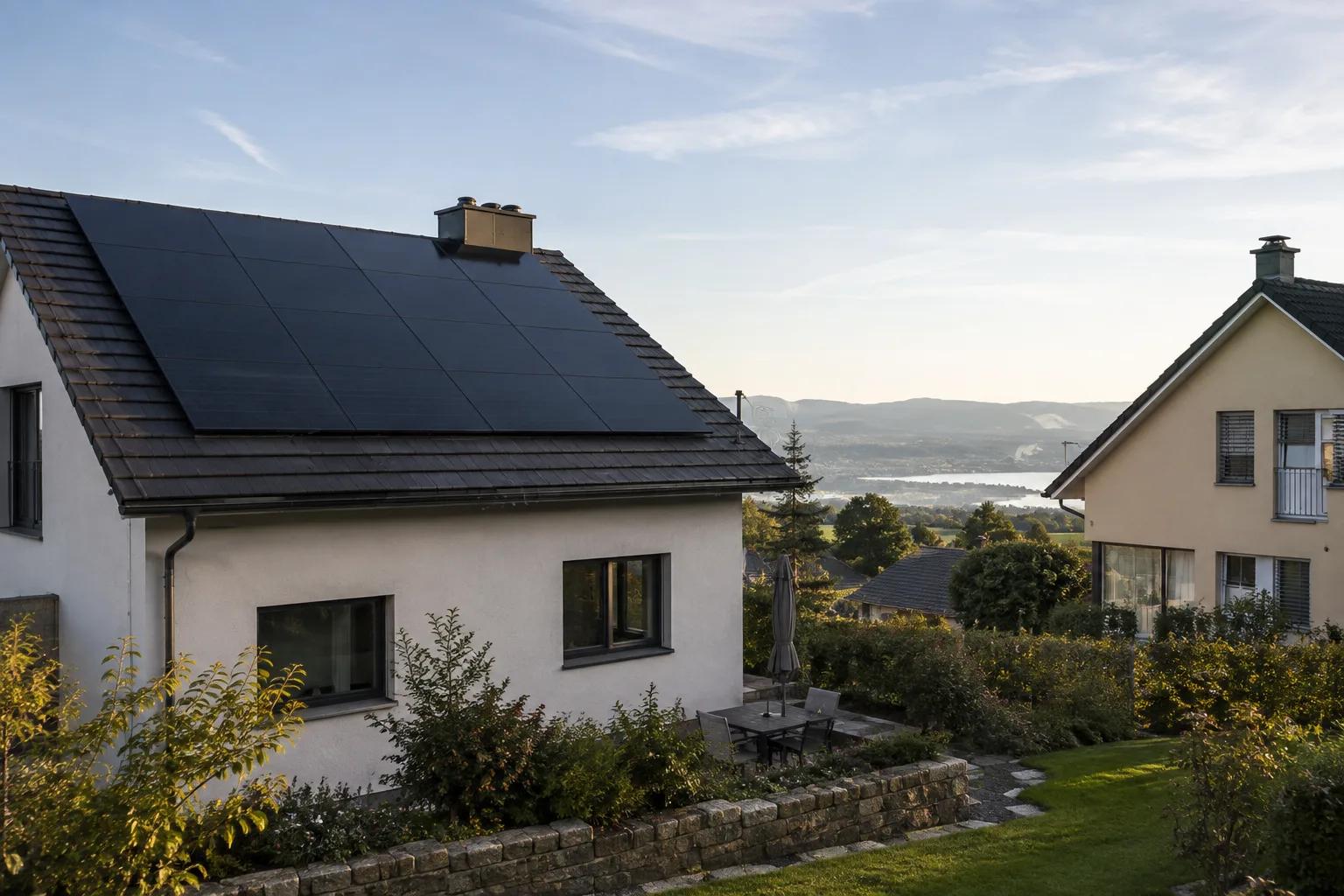
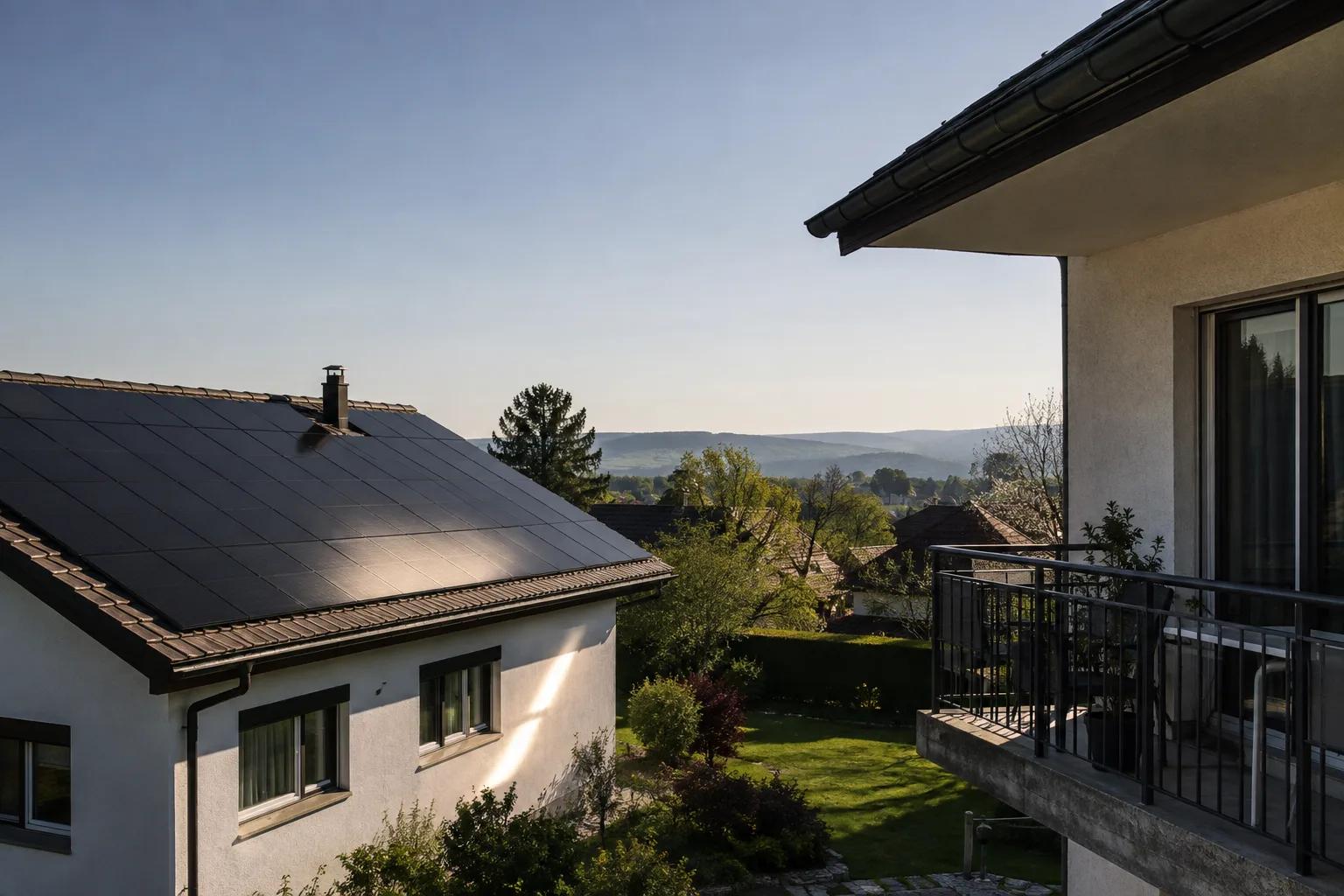
Reflection occurs in a specific direction and at a specific time. Before talking about nuisance, draw the slope and orientation of the modules, then the points where a person can actually receive light: windows, balcony, terrace, parking space, road, railway or work area. A neighbor's slightly higher or lower position can completely change the outcome.
The analysis should cover the seasons and times when places are occupied. A photo taken at midday in summer does not respond to a spring or fall situation at the start of the day. Ask for sun, horizon, and observer assumptions, as well as expected duration and intensity. A simple map may be sufficient for an inconspicuous roof; a sensitive site requires a more detailed calculation.
Choose layout before glass
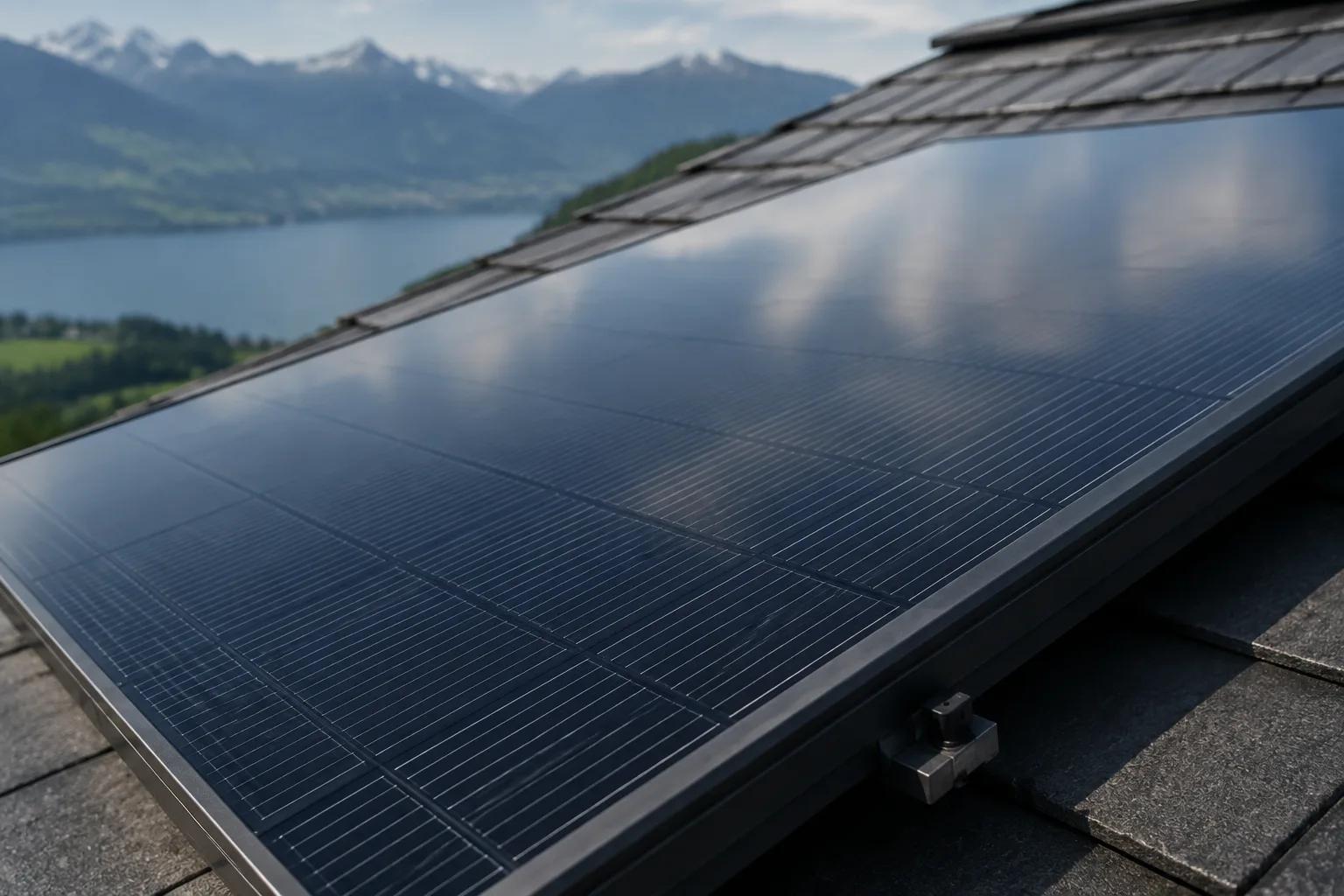
The first measure is often geometric: move a row, reduce an area, change the slope or avoid an orientation that directly targets a window. The choice of the module and its glass comes next. An anti-reflective surface can reduce intensity under certain conditions, but it does not transform an unfavorable layout into a perfect layout. Request that the module model be the one actually proposed.
The plan should also show things that may change over time. A tree, a neighboring building, a balustrade or a new terrace modifies the point of view, without necessarily eliminating the risk. If the facility is near an aerodrome or taxiway, add verification of authorities and requirements specific to that context. Do not present a current lack of complaint as a future guarantee.
Talk to your neighbor without creating a promise
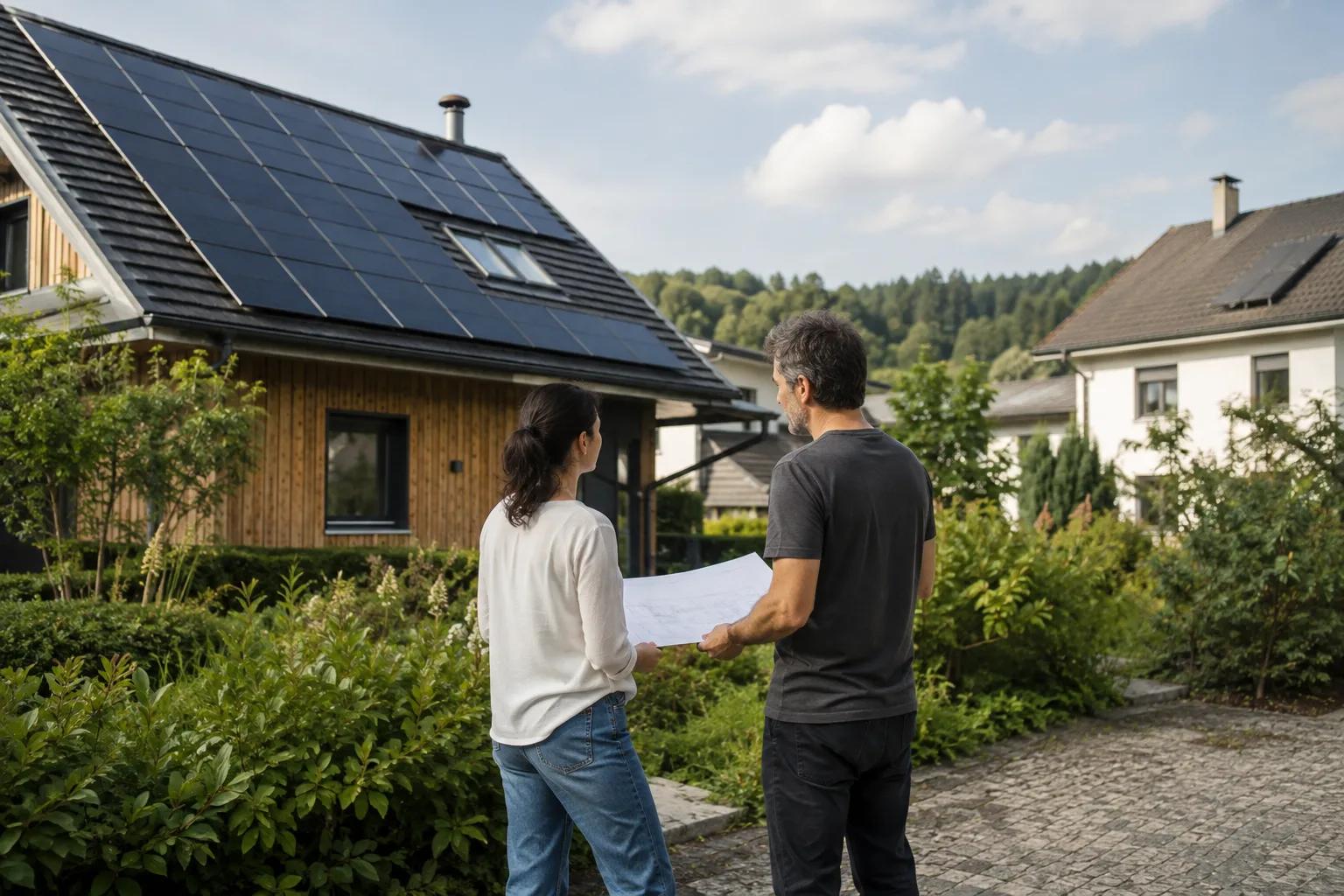
When visibility is high, early information is useful. Show a simple plan, explain that the effect depends on the sun and indicate what will be checked. Don't promise there will never be a reflection until you have an analysis. A factual discussion sometimes makes it possible to adapt the layout at low cost, while a correction after installation may involve dismantling, new study and disagreement on responsibilities.
Keep track of the version discussed: orientation, number of modules, glass, planned measurements and dates. If the municipality or an authority requests a document, attach the same version to the file. The goal is not to have a neighbor sign instead of an authorization, but to make the solution understandable and reduce unpleasant surprises.
If a complaint appears after the work
Ask for specific elements: observation point, date, time, weather, duration, direction of gaze and concrete consequence. Compare them to the model and the configuration actually built. A reflection may be experienced without corresponding to the supposed event, and an actual event may be limited to a short period; in both cases, we must measure before concluding.
Then involve the installer and the competent authority to discuss a proportionate measure. A correction may be an impossible or unnecessary adjustment, surface adaptation, screen or other design measure. Avoid sticking film or modifying modules without checking warranty, safety and effect on production.
Decide with a defensible case
The decision file must contain photos, location plan, orientation, simulation, glass reference, observation points, chosen method and important discussions. He must also distinguish between what concerns construction law, environmental protection, traffic safety and a simple neighborhood discussion. This separation avoids transforming a technical subject into a personal conflict.
A well-prepared solar project does not ignore reflections, but it does not dramatize them either. He checks sensitive locations, chooses a proportionate location and keeps proof of his hypotheses. This is the best way to protect investment and neighborly relations before the first row is ordered.
Points to check
- Tariffs: Compare the tariff for your address with the Swiss ElCom median for 2026, keeping local prices separate from the national benchmark.
- Grants: Check the programme, eligibility, documents and deadlines with Pronovo, the canton or municipality. Include only confirmed contributions in your budget.
- Roof potential: Sonnendach is presented as a public pre-diagnosis, to be validated by a technical visit.
- ROI: the method separates self-consumption, injection, installed price, taxation and payment schedule.
- The reflection depends on the glazed surface, the angle of the sun, the slope, the orientation, the season and the position of the observer: the presence of modules is not enough to conclude.
- The BAFU treats reflections from artificial surfaces as a matter of emissions to be preventively limited; there is no simple national figure which exempts us from examining the case.