
Solar power does not automatically create a lightning rod obligation, but its cables and protections must respect the building and the existing system. Check the site data and official sources before signing.
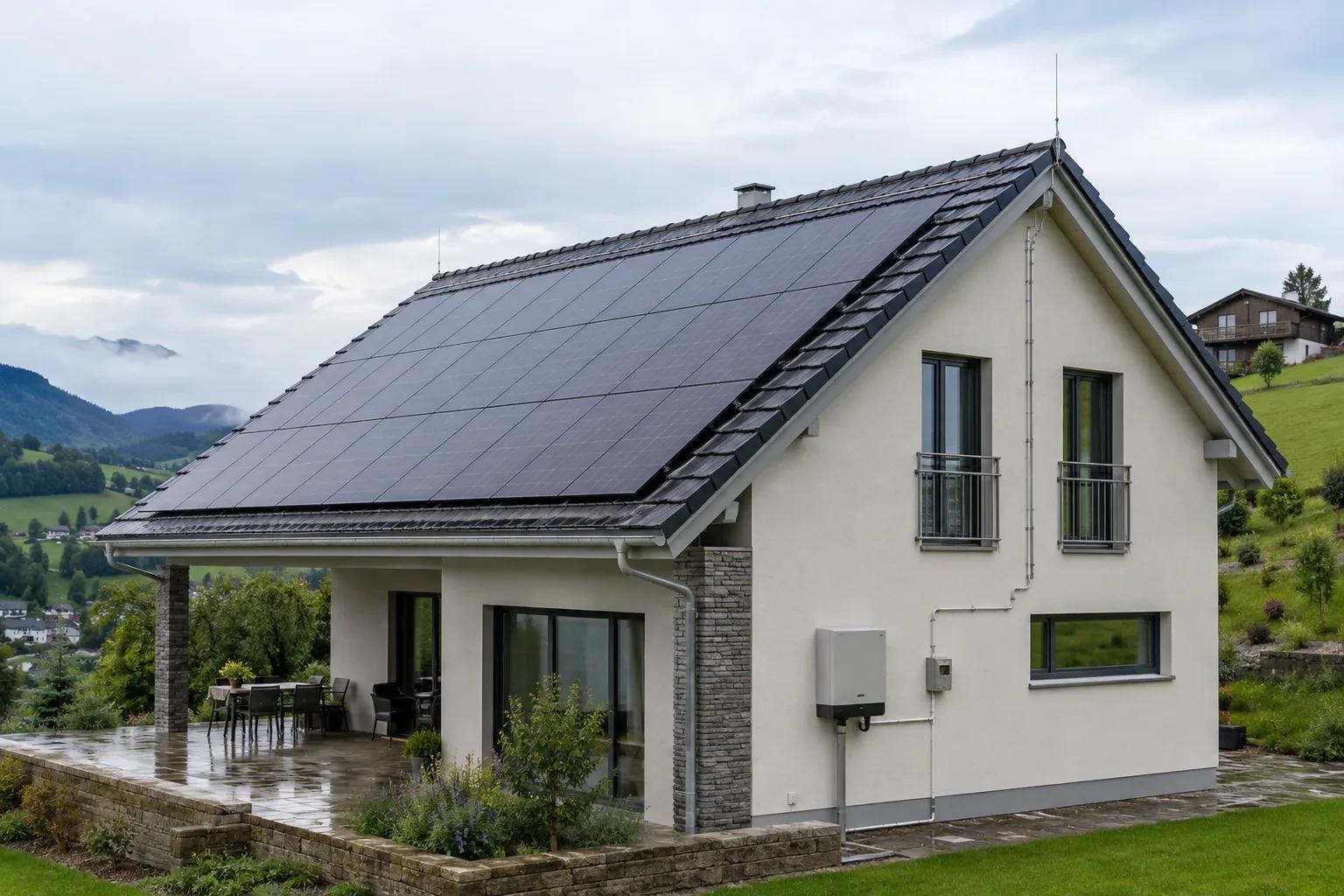
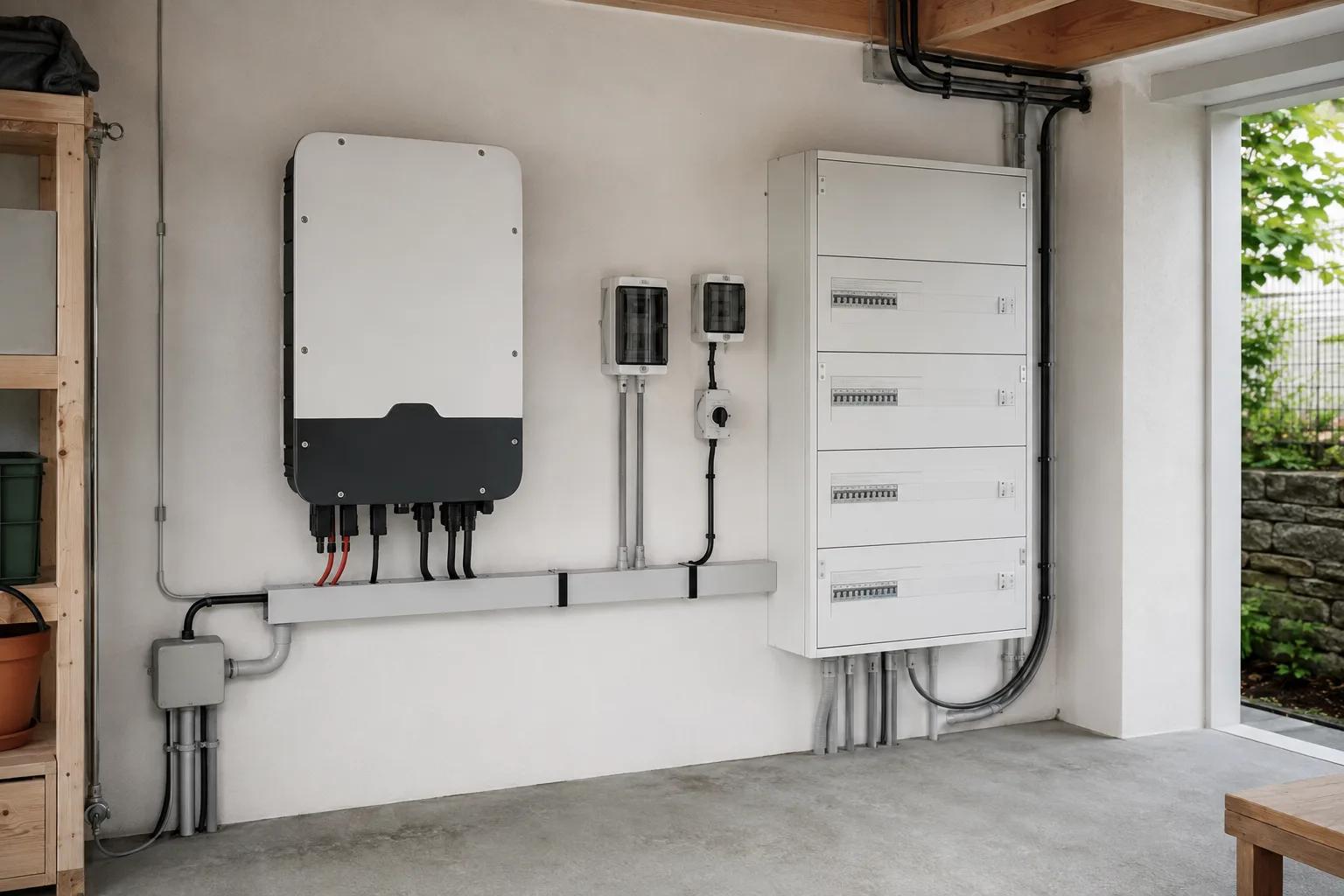
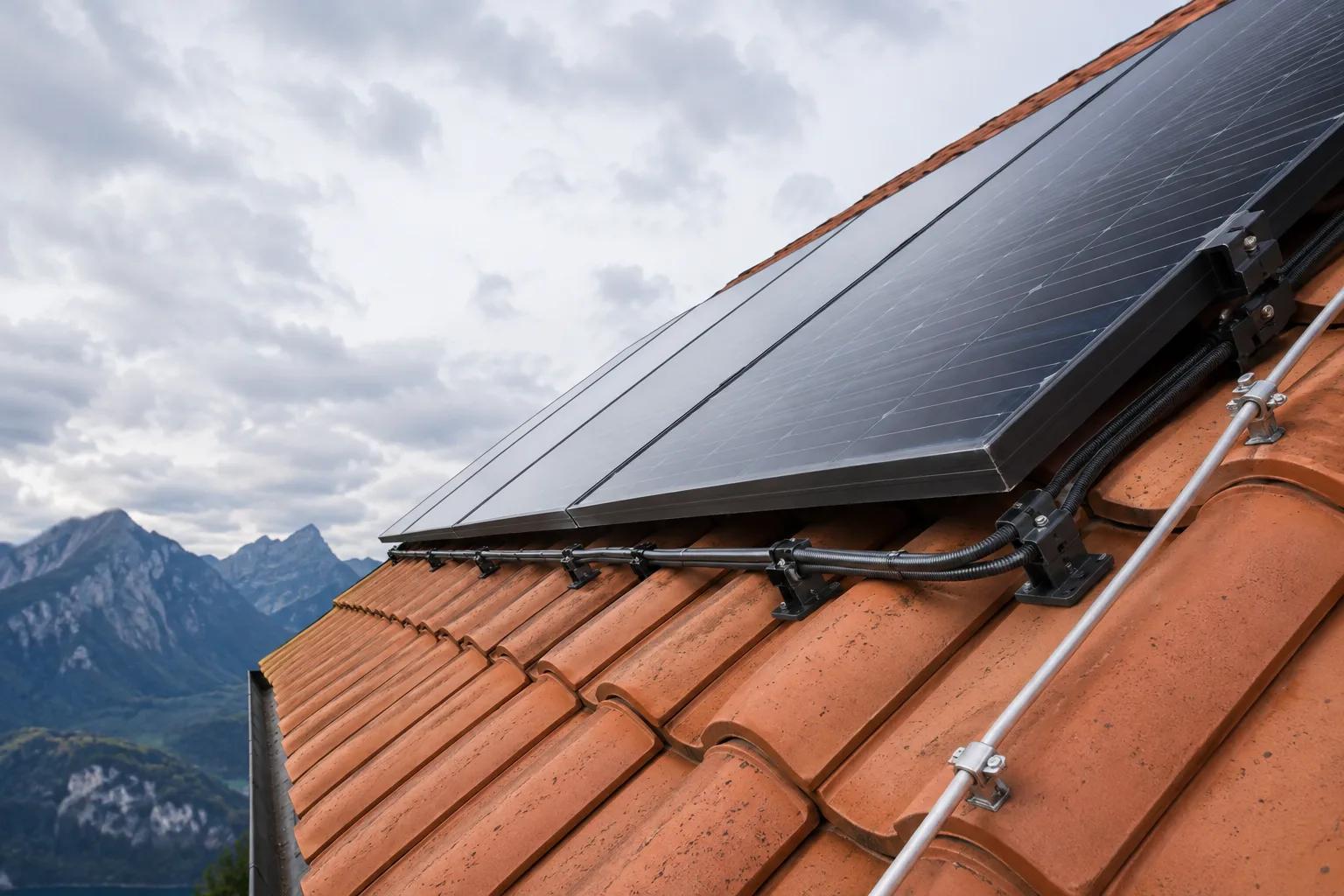
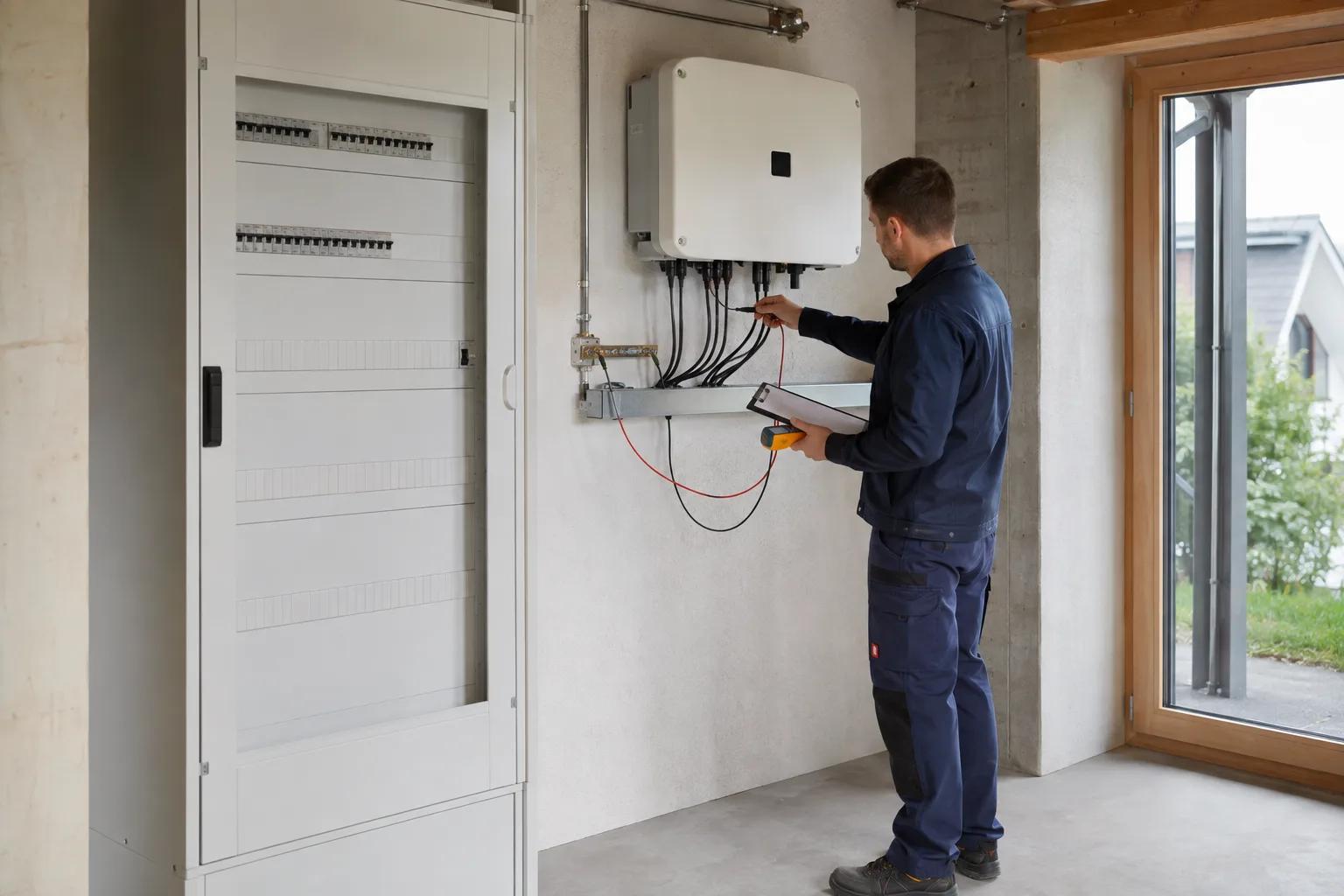
Decision to make
Solar power does not automatically create a lightning rod obligation, but its cables and protections must respect the building and the existing system. Adapt this decision to the building, your actual consumption and the project schedule.
For this project, start by identifying the grid operator, applicable tariff and site constraints. The quotation must specify the conditions affecting connection, metering or the value of surplus electricity.
Practical effects of the project
- A photovoltaic installation alone does not create a general lightning rod obligation, but the laying of cables can modify an already existing lightning protection system.
- Lightning rod, grounding, equipotential bonding and surge protection are related, but they are not synonyms: the quote must say what risk each element addresses.
- DC and AC cable paths, inverter position and protection coordination determine much of the system safety.
- Electrical work, measurements and acceptance must be carried out by authorized professionals; a threshold or cable modification by the owner is dangerous.
- The end of construction file must make it possible to find the diagram, protections, measurements, components and liability in the event of damage after a storm.
These points help assess the topic ‘ Lightning, surges and earthing: securing a photovoltaic installation in Switzerland ’ without turning a national average into a local promise. Every decisive figure needs its source, date and scope.
Specific controls
- Have the existing lightning protection system inspected and ask if a concept with separation distances is required.
- Require a single-line diagram showing DC/AC protection, earth, equipotential bonds, sectioning and inverter location.
- Request the authorizations, measurement protocols and control reports that actually correspond to the installed installation.
- Check with the insurer and installer for exclusions, consequential damages and the post-surge declaration procedure.
- Register who diagnoses, replaces and guarantees each protection if an event damages a module or inverter.
The answers should appear in the quote or in a dated appendix. A verbal explanation is insufficient if it changes the price, expected output, financial support or a contractual obligation.
Compare quotes
- Tariffs: state the purchase price, surplus remuneration and fixed charges applicable to the site, with their source and date.
- Production: provide a monthly estimate with orientation, shading, losses and weather assumptions.
- Investment: separate material, installation, safety, scaffolding, connection, procedures and options.
- Aids: distinguish confirmed amount, estimate and deposit liability.
- Contract: specify guarantees, calendar, deposit, exclusions, maintenance and after-sales service.
Solar power does not automatically create a lightning rod obligation, but its cables and protections must respect the building and the existing system. In the comparison table, keep one column for the stated value, one for the evidence provided, and one for the effect of a less favorable hypothesis.
Cautious scenario
Test the project with slightly lower production, an unconfirmed grant and less favourable surplus remuneration. This scenario shows whether the decision remains sound based on self-consumption, roof quality and a controlled installed cost.
The main references used are ESTI - photovoltaic installations: lightning and surge protection, SFOE - permits and low-voltage installations, OFEN/BFE - Connection conditions and remuneration 2026, Swissolar - Swiss Solar Monitor. They frame the method, but the local amounts and contractual conditions must be rechecked at the time the offer is signed.
Risks to be managed
The end of construction file must make it possible to find the diagram, protections, measurements, components and liability in the event of damage after a storm. Ask who assumes this risk, what proof will be provided and how a change is handled after ordering.
A more expensive solution should meet a specific need in your project. Ask for a documented benefit and a separate price for each option.
Next step
Gather the address, annual consumption, future electricity uses and building documents. Then check the grid operator's conditions, available grants and site constraints; request quotations covering the same scope.
Solar power does not automatically create a lightning rod obligation, but its cables and protections must respect the building and the existing system. You can then decide with a documented net price, clear responsibilities and assumptions that each company can explain line by line.
Separate risks before choosing equipment
An external lightning rod, grounding, equipotential bonding and overvoltage protection serve different functions. They must be coordinated, but the purchase of an additional box alone does not constitute a security concept. The first question is what already exists on the building and what the new installation will change.
Ask to see the lightning protection system if it is present: conductors, earth connections, protected areas and any control documents. Photovoltaic cables entering the building can change the distances or paths to be respected. This verification must take place before drilling, choosing the location of the inverter and closing the ducts.
Read the installation diagram
The final single-line diagram must show the direct current and alternating current sides, sectioning, protections, earthing, connections and the location of the devices. It must correspond to the number of strings, the inverter model and the board actually installed. A manufacturer's brochure does not replace this document, as it does not describe cable lengths, building structure or existing protection.
The quality of the journey also matters. A cable that is well secured and protected against mechanical damage reduces the risk of fault; an installation that is difficult to isolate or inspect makes response after a storm take longer. Ask how shutdown, control and replacement operations will be carried out safely, particularly if the inverter is in a cellar, technical room or garage.
Receipt, insurance and proof
Upon receipt, collect the protection sheets, exact references, measurements, control reports, the final diagram and shutdown instructions. Note the limitations of the system: surge protection does not prevent all direct damage, and a battery backup is not protection against lightning. These nuances must appear in the file given to the owner.
Inform the insurance of the configuration if they request it and check the conditions applicable to the building. Coverage for damage, the manufacturer's warranty and the installer's liability are not the same. An invoice and a photo of an inverter are not always enough to demonstrate that the planned protections have been installed and checked.
What to do after a storm?
After an important event, do not touch cables or any device that has an odor, burning marks, unusual noise, or error code. Note the time, symptoms and production, then involve the appropriate company. Rushing return to service may mask damage or expose a person to dangerous voltage.
The contract should indicate the response time, the availability of parts, the person who diagnoses and how to report a claim. For an installation with battery, terminal or several panels, ask if each piece of equipment is included in the scope. This avoids discovering after the storm that the protection system was sold separately.
The checklist before the deposit
Before paying a deposit, check that the offer names the authorized person, schematic diagram, treatment of the existing system, DC/AC protections, earthing, testing, acceptance documents and exclusions. Also ask who obtains the authorizations and who assumes an adaptation requested by the control. These are security and contract elements, not aesthetic options.
A good installation is not one that promises that nothing will ever happen. It is the one that identifies possible events, limits the consequences and leaves understandable evidence. This method protects the owner, the installer and the building without turning lightning into an argument for purchasing equipment whose role no one can explain.
Points to check
- Tariffs: Compare the tariff for your address with the Swiss ElCom median for 2026, keeping local prices separate from the national benchmark.
- Grants: Check the programme, eligibility, documents and deadlines with Pronovo, the canton or municipality. Include only confirmed contributions in your budget.
- Roof potential: Sonnendach is presented as a public pre-diagnosis, to be validated by a technical visit.
- ROI: the method separates self-consumption, injection, installed price, taxation and payment schedule.
- A photovoltaic installation alone does not create a general lightning rod obligation, but the laying of cables can modify an already existing lightning protection system.
- Lightning rod, grounding, equipotential bonding and surge protection are related, but they are not synonyms: the quote must say what risk each element addresses.